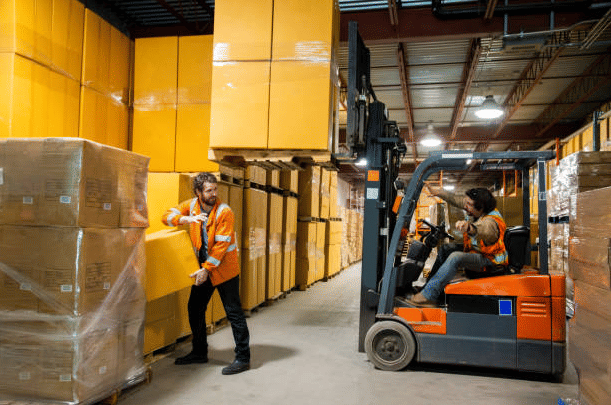
Warehouse Safety Training for Staff
Warehouse safety training works best when it matches how your building actually operates: your traffic patterns, your racking layout, your docks, and your day to day pace. This guide outlines a practical warehouse safety program you can use for onboarding, refreshers, and ongoing accountability, plus physical upgrades you can install to prevent incidents and reduce damage when impacts happen. Align your program with OSHA requirements and expectations that apply to your facility and operations.
What warehouse safety training should accomplish
A good program helps your team do three things consistently:
- Recognize common hazards before they become incidents
- Follow safe procedures without slowing operations
- Report damage, near misses, and unsafe conditions early
How often to train
Use a cadence you can execute reliably:
- Onboarding before anyone works on the floor, including temporary workers
- Retraining when job duties or equipment change
- Annual refreshers for all staff, more often for higher risk roles
- Targeted retraining after incidents, near misses, or damage events
- Short monthly safety talks focused on one topic at a time
Core modules to include
Forklift and pedestrian safety
This module should include forklift safety training and forklift operator training requirements for your facility. Cover right of way rules, speed control, intersections, visibility, reversing, load handling, parking procedures, and pre shift inspections. Include clear rules for shared space areas where pedestrians and equipment mix.
Loading dock safety
Cover trailer securement procedures, dock plate and leveler checks, safe trailer entry, and communication between dock staff and drivers. Docks combine fall risk, movement risk, and high forklift traffic, so they deserve their own module.
Storage system limits and racking safety
Make sure staff understands that racking has design limits. Train on load weight, load placement, beam level capacity, pallet condition standards, and why missing or damaged components matter. Reinforce that unauthorized modifications are not acceptable.
If you have not done one recently, review whether you need a warehouse rack safety assessment here.
Rack impact awareness and reporting
Impacts happen. The safety difference is what happens next. Teach staff to recognize common damage signs and to report any impact event immediately, even if it appears minor. Establish simple rules for controlling the area until it is evaluated.
Hazard communication and chemical awareness
Hazard communication training covers labels, SDS access, storage rules, spill response basics, and required PPE for handling and cleanup. If your facility stores or uses chemicals, reinforce where SDS are kept and who to notify for spills.
Lockout tagout and equipment boundaries
Lockout tagout training should clarify who is authorized, what boundaries apply, and how to report equipment hazards. Even employees who do not perform maintenance should understand what lockout tagout means, why bypassing guards is unsafe, and how to escalate equipment issues.
Manual handling and ergonomics
Include manual handling training and ergonomic training focused on lifting, assists, fatigue, and repetition risks. Address lifting technique, team lifts, use of assists, and workstation setup basics where applicable.
Fire safety and emergency response
Fire safety training should cover evacuation routes, muster points, accountability, and escalation procedures. Keep it simple and practiced.
Preventive and retrofit safety upgrades you can install
Training reduces risk. Physical upgrades reduce exposure and damage when reality gets messy. Many warehouses can materially reduce incidents with targeted safety accessories installed in the right locations, especially at end of aisle impact zones, pedestrian crossings, and dock approaches.
Rack protection and impact mitigation
- Upright post protectors to shield rack columns from forklift contact
- End of aisle guards and end of row barriers where impacts are most common
- Guard rails to separate travel lanes from racking and work areas
- Bollards and column guards to protect building columns, door frames, and critical equipment
- Rack back protection such as wire mesh backing or netting where appropriate to reduce fall through risk
- Pallet stops or load stops where needed to help prevent over placement against walls or into flue space
Safety hardware, labeling, and traffic control
- Beam safety locks or pins where required for your rack type
- Anchoring and row alignment components where needed to keep rows stable and aligned
- Load capacity signs at aisle and bay level so operators know the limits
- Aisle labels, location labels, and directional signage to reduce wrong placements and confusion
- Physical separation at pedestrian crossing points where feasible using barrier rails and controlled gates
A practical way to start is a short facility walk to identify the top impact zones, then install protections in phases. The right mix depends on rack type, aisle width, forklift class, and how your team actually moves product.
If you want Integrity to assess racking risks and recommend upgrades, see: https://integritymh.com/services/seismic-calculations-permit-applications-and-rack-safety-assessments
If you want Integrity to install the upgrades as part of the plan, see: https://integritymh.com/services/professional-installation
If you are considering layout changes to reduce traffic conflicts, see: https://integritymh.com/services/layout-and-design
What to document
Documentation keeps the program consistent and makes it easier to improve over time:
- Training roster with date, topic, trainer, and attendee sign off
- Operator training records for powered equipment
- Inspection logs for floors, docks, and racking checks
- Incident and near miss reports with corrective actions and closure dates
- Photos and notes for any rack damage, barrier damage, or recurring hazards
Warehouse safety checklist
Use this as a starter and tailor it to your building.
Daily
- Aisles and walkways clear
- Exits and safety equipment accessible
- Floors clear and dry
- Forklift pre shift checks completed
- Dock area clear and dock equipment appears functional
- Any rack impacts or visible rack damage reported immediately
- Barriers, guard rails, and post protectors not loose, bent, or missing
Weekly
- Visible racking condition check including uprights, beams, and anchors
- Pallet condition standards enforced
- Staging areas controlled and not blocking travel lanes
- PPE availability and compliance spot check
- Check end of aisle guards, bollards, and pedestrian barriers for damage and anchoring
Monthly
- Documented warehouse safety inspection
- Review incident and near miss trends
- Run one focused safety talk on the highest recurring issue
- Review your top impact zones and decide if additional protection should be
- added
FAQ
How long should warehouse safety training take?
Onboarding commonly takes a few hours to a full shift depending on hazards and equipment. Refreshers can be shorter if they are consistent and focused.
Do temporary workers need the same training?
Yes. Temporary workers should receive onboarding before working on the floor, plus task specific training for the areas they will work in.
What should forklift safety training include?
Pre shift checks, travel rules, intersections, pedestrian interaction, load handling, speed control, parking, and dock procedures if applicable. Only authorized operators should drive.
What should employees do after a rack impact?
Stop and report it immediately. Keep the area controlled until it is evaluated. Small damage can reduce capacity and increase risk.
What is hazard communication training?
Hazard communication training covers chemical labels, SDS access, safe storage, exposure prevention, spill response basics, and PPE expectations for the chemicals used onsite.
What safety upgrades reduce warehouse incidents quickly?
Post protectors, end of aisle guards, guard rails, bollards, clear signage, and physical separation of pedestrians from equipment often deliver fast risk reduction when installed in the right locations.
Get in touch with Integrity
If you want a safety program that matches your racking layout and day to day traffic, contact Integrity Material Handling Systems to walk your facility, identify top impact zones, and recommend practical upgrades like post protectors, guard rails, and aisle protection.
Call us today at 201-848-0054.
Related insights from Integrity
Do You Need a Warehouse Rack Safety Assessment 5 Signs It’s Time for an Inspection
What to Know Before Buying Used Pallet Racking Cost Condition and Compliance