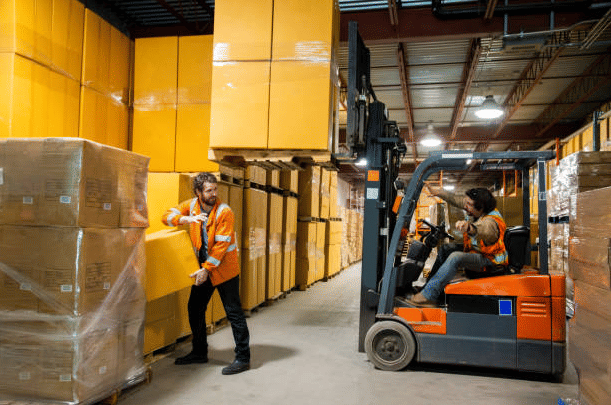
Warehouse Safety Training Program and Checklist
Warehouse safety training works best when it matches how your building actually operates: your traffic patterns, your racking layout, your docks, and your day to day pace.
Warehouse safety training works best when it matches how your building actually operates: your traffic patterns, your racking layout, your docks, and your day to day pace.
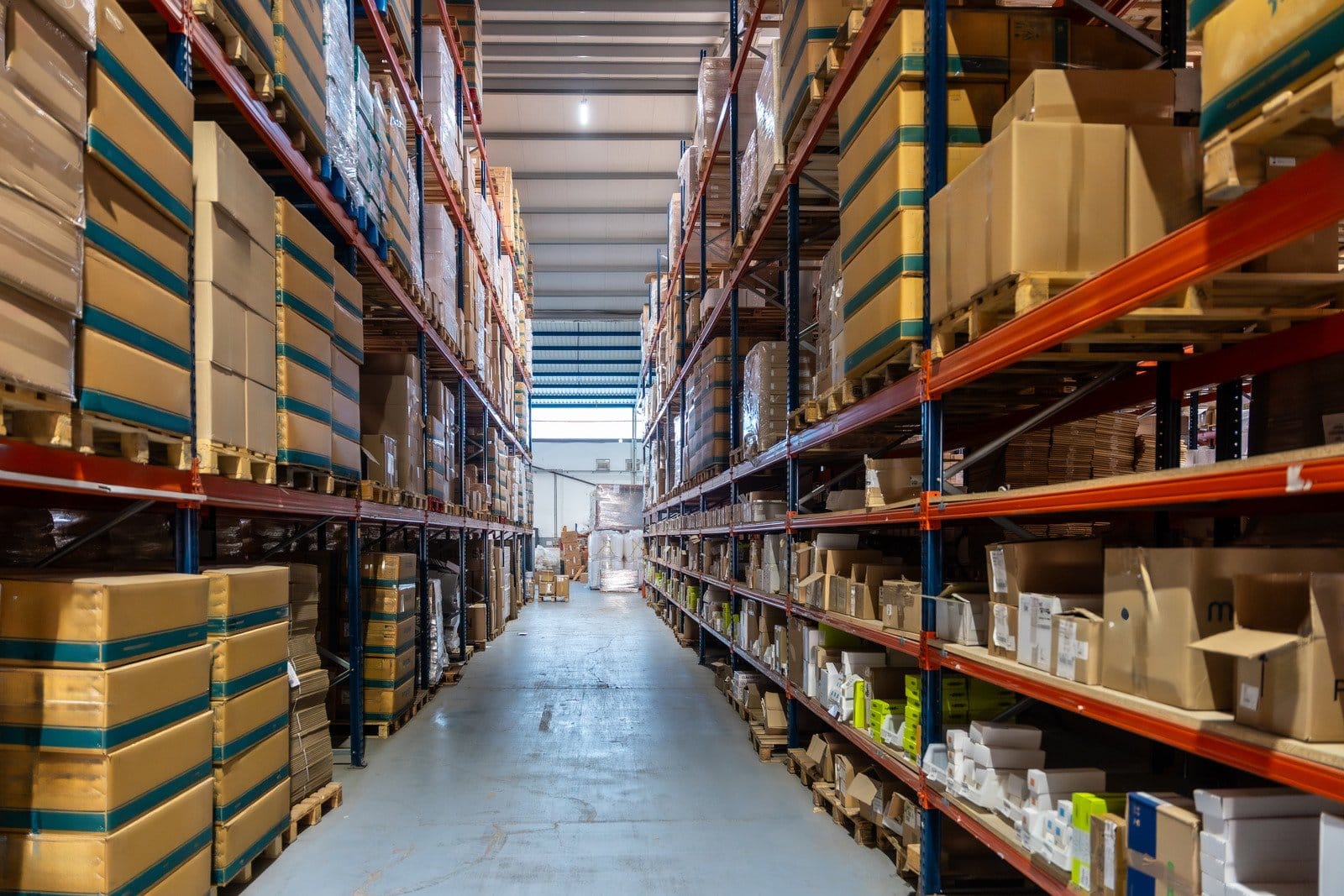
Several factors should play into your decision regarding the best possible rack type you should procure for your specific storage requirements. Some of these factors are Weight Capacity; Product Dimensions; Adjustment Flexibility; Code Compliance.

Perhaps the biggest consideration for expansion and growth is the style of racking components you choose. Today’s standard is the Teardrop Rack, which represents the shape of the front hole on the upright posts.
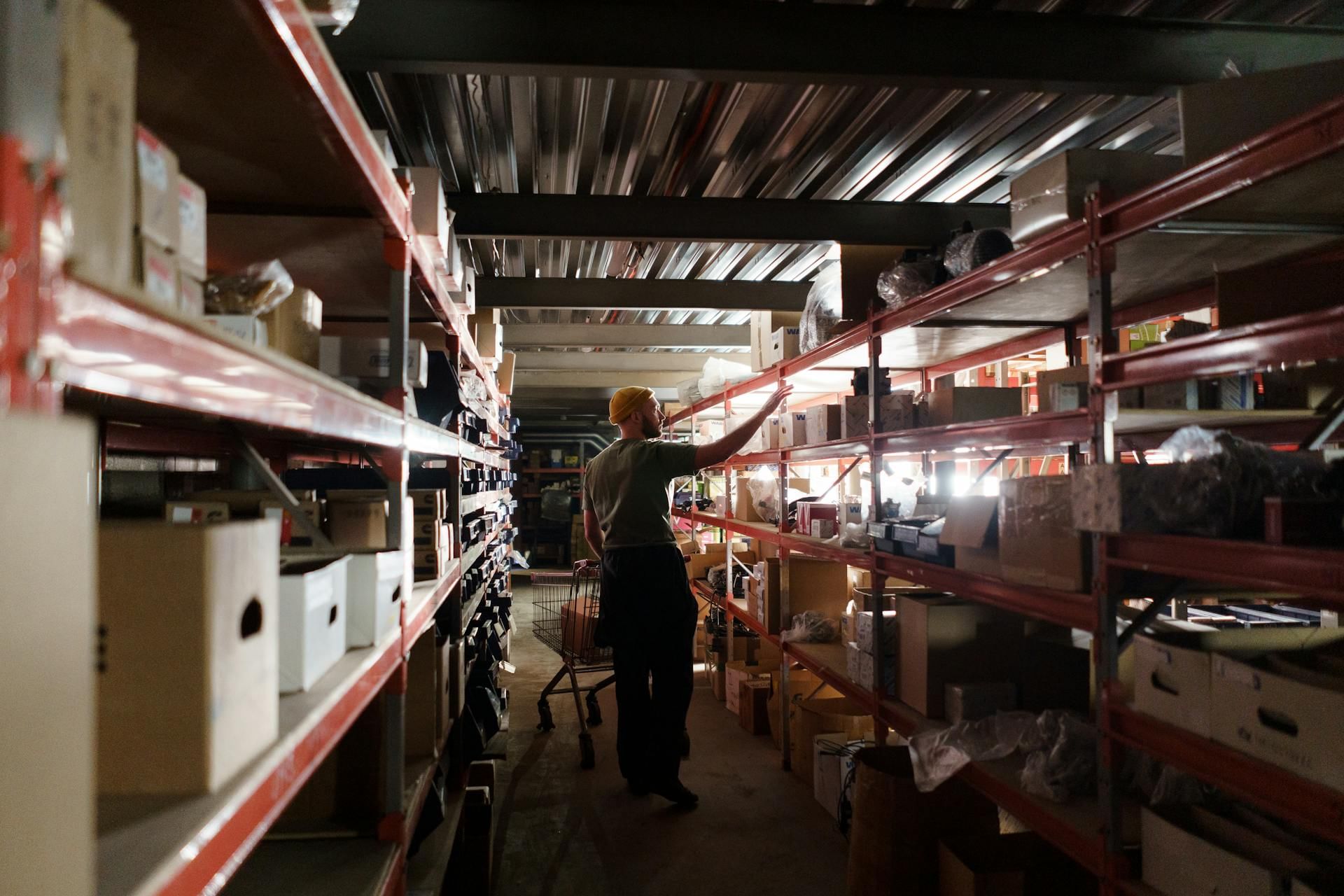
According to the U.S. Bureau of Labor, the transportation and warehousing sector has one of the highest rates of injury across all sectors. From heavy lifting to mismanaged rack infrastructure, a warehouse can be a hot spot for accidents. But there are steps that logistics companies can take to reduce their risk.
Steel shortages, import tariffs, and logistical bottlenecks have majorly disrupted the pallet racking industry over recent years. Rising costs, combined with the increasing demand for warehouse storage solutions, have led to the pallet racking market growing at nearly 5.8% CAGR, with the sector expected to reach a total market value of over $18.8 billion by 2035.
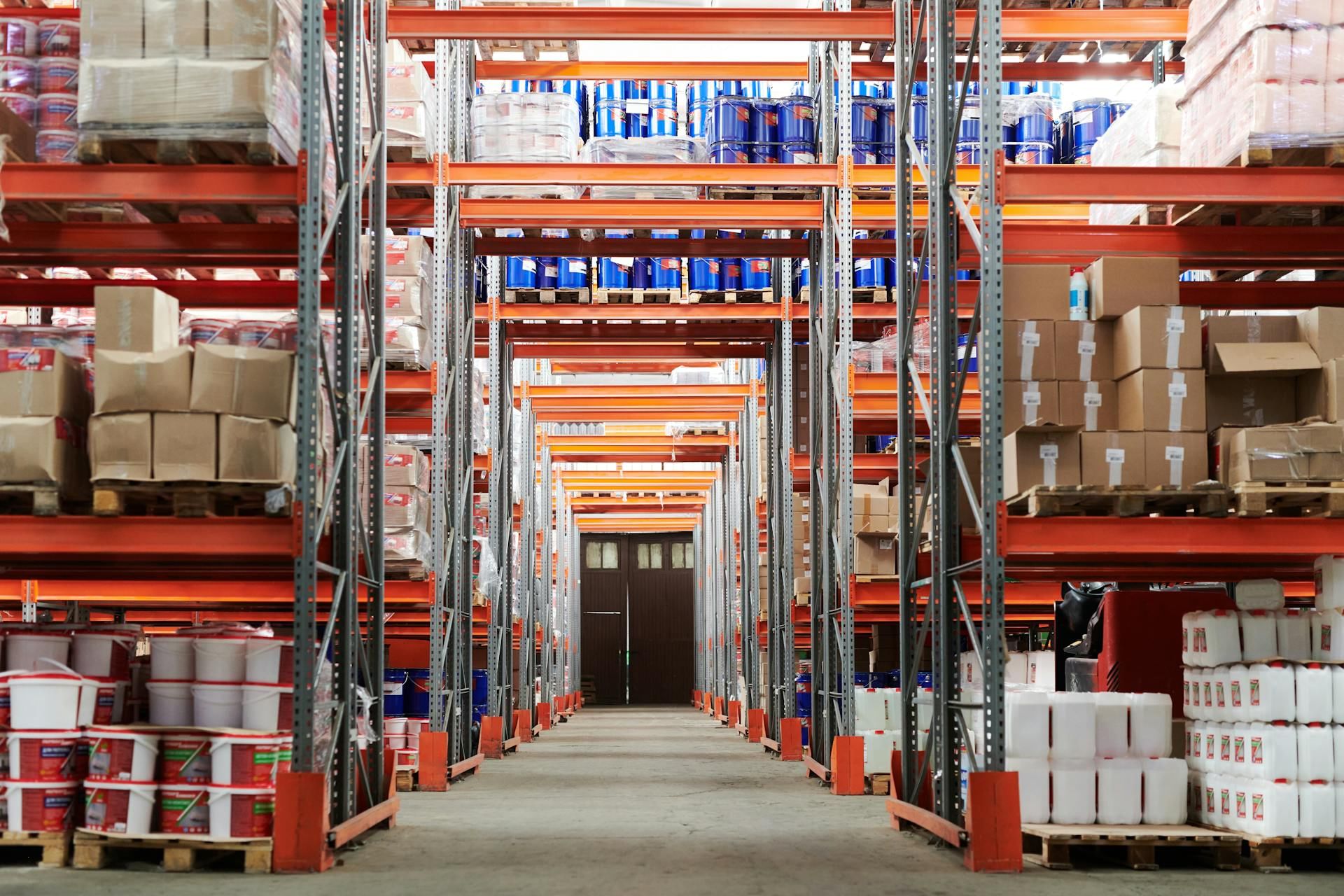
When a warehouse wants to keep up with rising demand, they have two choices: expand or relocate. At least, those are the obvious options. The reality is that mezzanine storage systems create a third path, offering a way of maximizing warehouse space by utilizing the often unused verticality of warehouses.