Selective Pallet Racking Texas: Systems, Design, Installation & Warehouse Storage Solutions
Every warehouse project starts with a fundamental question: how do you store more product, move it faster, and keep your operation running safely within the building you have? For most Texas facilities, the answer begins with selective pallet racking. This article covers what facility managers and operations leaders need to know about designing, engineering, installing, and optimizing selective pallet racking systems in Texas - and how Integrity Material Handling Systems Inc. delivers turnkey solutions from first concept through completed installation.
Key Takeaways
- Integrity designs, engineers, supplies, and installs selective pallet racking systems across Texas, providing turnkey support from warehouse layout planning through professional installation and ongoing safety services.
- Selective pallet racking allows direct access to every pallet position, making it the most practical storage solution for Texas warehouses with high SKU counts and frequent picking activity.
- Integrity integrates selective pallet racks with rack-supported mezzanines, pick modules, shelving, carton flow, and pallet flow racking to maximize vertical space and create high density storage where it makes operational sense.
- Every project is engineered around local codes, slab capacity, sprinkler layouts, and operational requirements - there is no one-size-fits-all rack system.
- Selective pallet racking is scalable and cost-effective for growing businesses, whether you are outfitting a new distribution center or reconfiguring an existing facility.
Ready to discuss a selective pallet racking project in Texas? Call Integrity at (201) 848-0054 or contact us online to get started.
Why Texas Facilities Choose Selective Pallet Racking
Selective pallet racking systems are the most popular industrial storage solution in Texas - and for good reason. Across Dallas–Fort Worth, Houston, San Antonio, Austin, and the growing logistics corridors connecting them, warehouses and distribution centers rely on selective pallet racks as their default storage framework because they deliver something no other rack type matches: direct access to every pallet, every time.
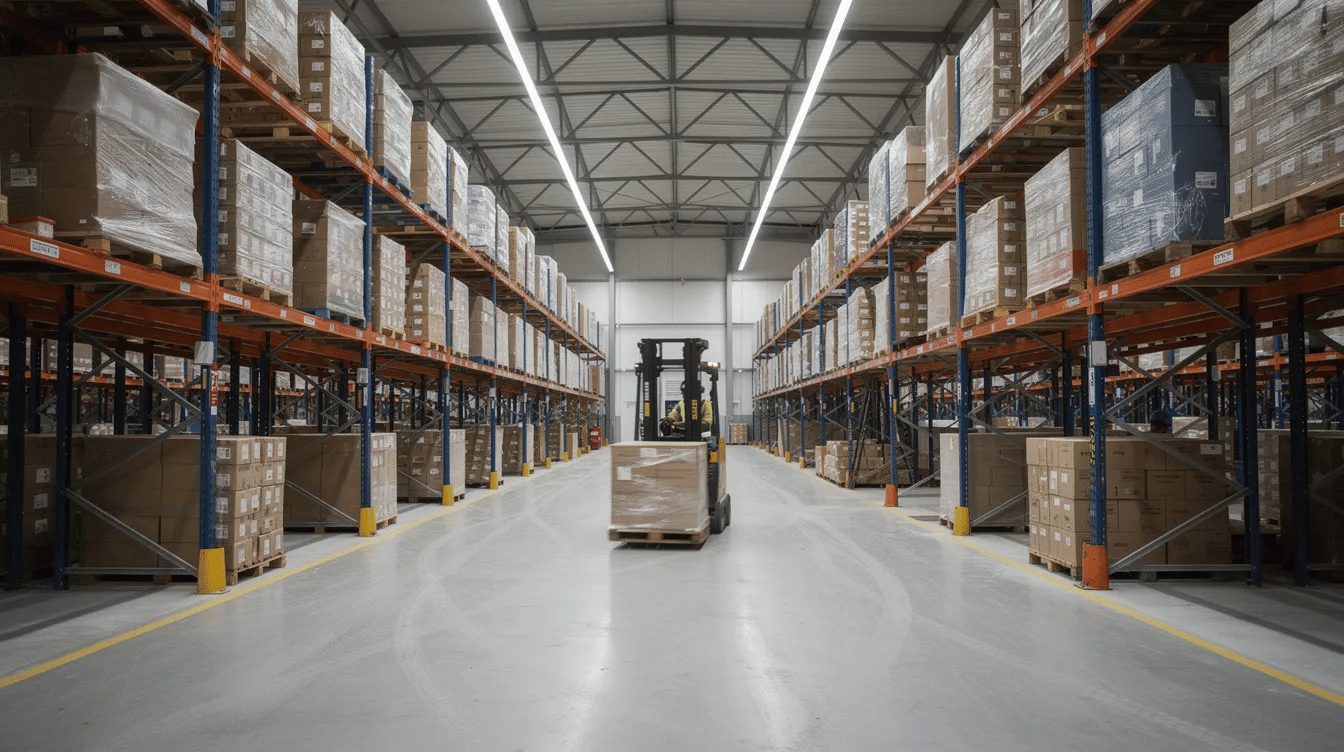
This racking system is ideal for facilities managing a high variety of SKUs. Whether your operation handles e-commerce fulfillment, third-party logistics, manufacturing staging, or regional distribution, selective pallet racking accommodates mixed product profiles without forcing you to reorganize entire bays to reach a single pallet. It is the most common and popular type of pallet racking used in warehouses worldwide, and it remains the go-to choice in Texas because the selectivity advantage often outweighs the lower pallet density in operations with many SKUs.
Compared with high density systems, selective pallet racking offers a low initial investment. Drive in racking packs more pallets into fewer aisles but limits access to last-in, first-out retrieval. Push back racking allows multiple pallets deep storage but adds mechanical complexity. Pallet flow racking uses gravity roller lanes for first-in, first-out operations, making it well suited for date-sensitive inventory. Each of these systems has a place, but for general-use, fast-moving, SKU-intensive operations, selective racking is usually the right starting point.
Integrity tailors pallet racking systems to operations ranging from 3PL warehouses and cold storage facilities to manufacturing plants and records storage centers. If you are unsure whether selective pallet racking is the right pallet racking system for your Texas facility, call (201) 848-0054 for a quick conversation with Integrity's team.
Integrity's Turnkey Selective Pallet Racking Solutions in Texas
Integrity Material Handling Systems Inc. is not just a pallet rack vendor. Integrity is a turnkey warehouse storage and material handling systems provider that manages every phase of the storage project process - from initial planning through installation, reconfiguration, and long-term support.
Integrity's end-to-end capabilities include:
- Warehouse layout and CAD design - custom layouts engineered around your facility's dimensions, dock positions, column grid, and operational workflow
- Pallet racking system engineering - structural calculations, beam and frame sizing, and height-to-depth analysis following RMI guidelines and applicable local codes
- New and used pallet rack sourcing - access to both new equipment and inspected used inventory, depending on budget, lead time, and project requirements
- Professional installation - certified crews who install selective pallet racking, mezzanines, pick modules, and integrated storage systems
- Rack system reconfiguration and relocation - safe disassembly, transport, and reinstallation of existing rack systems
- Seismic calculations, permit application support, and rack safety assessments - engineering coordination and documentation for jurisdictions that require it
Integrity operates in both New Jersey and Texas and manages projects nationwide, with a current focus on strategic Texas markets including DFW, Houston, Austin, San Antonio, and key I-35 and I-45 logistics corridors.
Integrity routinely integrates selective pallet racks with mezzanine storage systems, rack-supported pick modules, shelving, carton flow, and pallet flow to create complete material handling solutions tailored to each facility's unique needs.
Want a single partner to manage design, engineering, and installation? Request a custom quote online or call (201) 848-0054.
How Selective Pallet Racking Works
A selective pallet rack system is built from a few core components: upright frames (vertical columns connected by horizontal and diagonal bracing), load beams (step beams that attach to uprights via teardrop or bolt-on connectors), wire decking or pallet supports, row spacers, base plates, and anchor bolts. Optional safety accessories - column protectors, end-of-aisle guards, rack netting - round out the system.
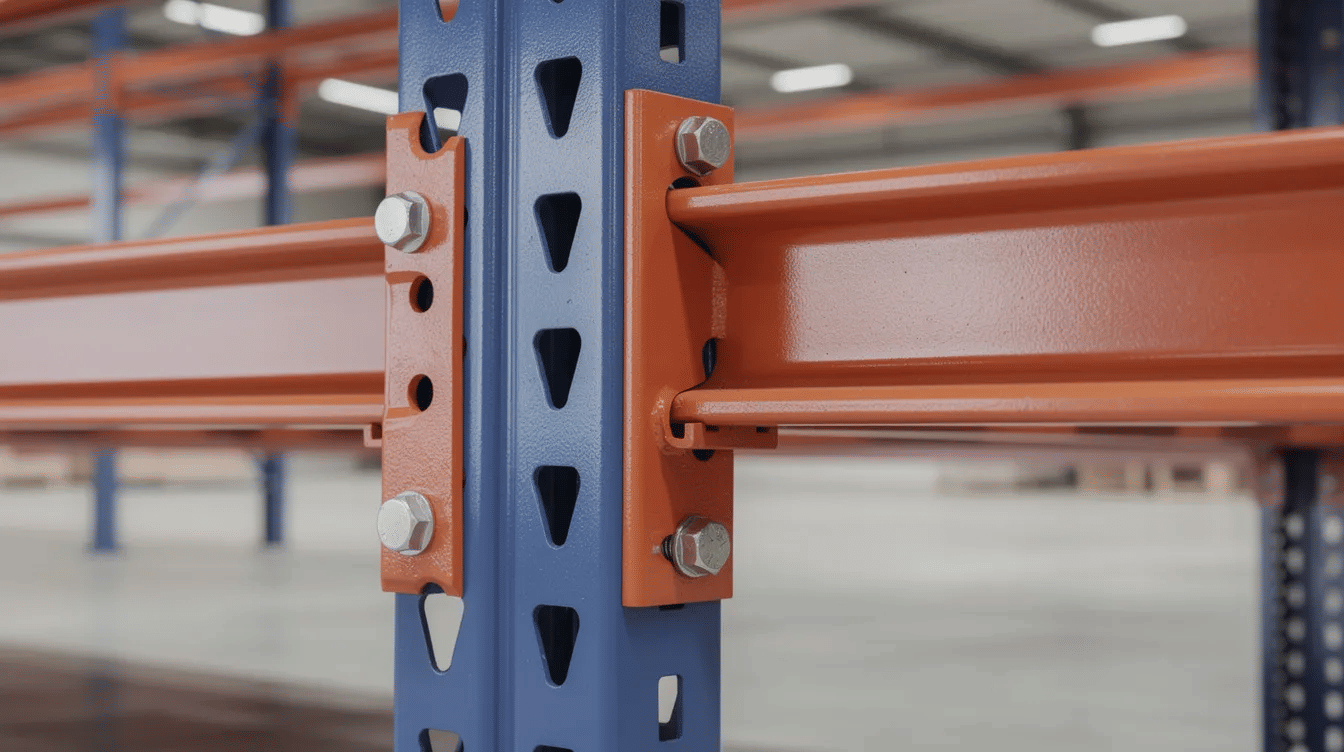
In a typical Texas warehouse configuration, selective racks use roll formed or structural steel uprights with two to three pallets per beam level and multiple beam levels stacked vertically. Aisle widths should match the material handling equipment used in the warehouse - standard sit-down forklifts generally need 10–12 feet, while reach trucks and turret trucks can operate in narrower aisles. A typical selective rack bay holds 2–3 pallets per level, with beam lengths commonly at 96 inches to accommodate two standard GMA pallets (48″ × 40″) side by side.
Single-deep racking provides direct access to stored pallets from the aisle. Forklifts can reach any pallet position without first moving other pallets, which is what makes selective racking so efficient for operations with broad SKU variety and frequent picks.
Horizontal beams in selective pallet racking can typically be adjusted on 1-inch or 2-inch increments along the upright column, allowing the system to be reconfigured as pallet heights or product mix change over time. This adjustability means a single rack system can accommodate different pallet heights across beam levels - shorter carton loads at pick height, taller bulk loads on upper reserve levels.
Beam deflection is typically held to the ANSI/RMI MH16.1 standard of L/180: for a 96-inch beam, maximum deflection under uniform load should not exceed roughly 0.53 inches. Integrity engineers every rack system around pallet dimensions, load weights, forklift type, and slab conditions to help maintain structural performance and code compliance.
Designing Selective Pallet Racking Systems for Texas Warehouses
Thoughtful layout and design often deliver more value than simply adding more pallet racks. In Texas industrial markets where lease rates are climbing - particularly in DFW and Houston - getting the most storage capacity out of your existing warehouse space is a strategic priority.
Core design factors Integrity evaluates on every project:
- Clear height - determines how many beam levels fit beneath the roof deck and sprinkler system. A 32-foot clear ceiling can support top beam levels around 28 feet, as demonstrated in a Grand Prairie apparel distribution project where frames reached 28 feet under 32-foot clear space.
- Column spacing - the building's structural column grid dictates bay widths and aisle placement, and sometimes requires creative rack configurations to avoid dead zones.
- Dock positions and egress routes - product flow from receiving docks through storage and out to shipping docks drives aisle orientation and slotting strategy.
- Sprinkler elevations and fire protection - rack beam heights must maintain required clearances beneath sprinkler heads, and in-rack sprinklers may be needed at certain levels.
- Concrete slab capacity - point loads under upright base plates must stay within the slab's bearing capacity, especially for tall, heavily loaded rack systems.
Balancing storage capacity with travel distance and picking efficiency is critical. Overly narrow aisles or poor slotting can hurt throughput even if you technically gain pallet positions. Pallet racking can increase floor space availability, but only when the layout matches operational reality.
Monitoring environmental conditions is crucial for storage performance in Texas facilities. Heat management is essential for warehouse employees during Texas summers, and temperature extremes can affect product integrity in non-climate-controlled buildings.
Integrity's design team uses CAD to develop layouts and, where needed, engineering calculations to confirm frame capacities, beam spacing, and acceptable height-to-depth ratios. Early involvement from an experienced rack designer can help avoid costly rework when Texas jurisdictions require permitting for new pallet racking systems.
Engineering, Permitting, and Safety Considerations in Texas
Pallet racking is more than furniture - it is an engineered, load-bearing structure. Texas facilities need to account for several engineering and code requirements before installing or modifying selective rack systems.
Key considerations include:
- Permitting requirements - many Texas municipalities require permits and stamped engineering drawings for new rack installations. Requirements vary by city and county, and can depend on rack height, building occupancy, and whether the system affects egress or fire protection. Pallet racking systems exceeding 8 feet in height are classified as structural installations in Texas.
- Height-to-depth ratio - RMI guidelines generally recommend a maximum height-to-depth ratio of 6:1 for selective pallet racking. Exceeding this ratio can require additional anchoring, overhead ties, or deeper frames. This is a project-specific engineering decision.
- Anchoring - secure every rack column base plate using concrete anchor bolts specified by the manufacturer. Proper anchoring is especially important in tall rack configurations.
- Wind and seismic loads - Texas municipalities may enforce specific wind-load or seismic structural requirements for racking systems, depending on geographic location and building type.
- Flue spaces - maintain a minimum flue space between back-to-back rack rows and between pallets. These transverse and longitudinal gaps allow sprinkler water to penetrate the storage array. Texas fire marshals enforce NFPA 13 standards for automatic sprinkler systems in rack storage, and flue space requirements can directly influence beam elevations and rack layout.
- Load capacity compliance - heavier loads increase the need for compliance with RMI and ANSI guidelines for rack capacity. Load tables, beam deflection limits, and frame capacity ratings all depend on the specific configuration.
Compliance with local building codes depends on specific installation requirements. Integrity assists with seismic calculations, engineering coordination, and permit application support, but final approvals always rest with local building and fire authorities.
Selective vs. High Density Storage: When to Consider Other Rack Systems
Selective pallet racking is not always the only or best option. Some Texas operations benefit from high density storage around specific product families where SKU variety is low and throughput patterns are predictable.
Here is how selective racking compares to other rack systems Integrity can provide:
| Rack System | Density | Selectivity | Inventory Flow | Best For |
|---|---|---|---|---|
| Selective pallet racking | Lower | 100% - direct access | Any | High SKU variety, frequent picks |
| Drive in racking | High | Limited (LIFO) | Last in, first out | Bulk inventory, few SKUs - maximizes warehouse floor space for bulk inventory |
| Push back racking | High | Limited (LIFO) | Last in, first out | Multiple pallets deep, moderate SKU count |
| Pallet flow racking | High | Lane-based (FIFO) | First in, first out - uses gravity | Food and beverage, date-sensitive cold storage |
| Cantilever racking | Varies | Direct | Any | Lumber, pipes, long or irregular materials |
Drive-in racking maximizes warehouse floor space but restricts access. Push back racking allows multiple pallets deep storage with single-aisle loading. Pallet flow racking uses gravity for first-in, first-out operations, making it common in food and beverage or date-sensitive products in Texas cold storage facilities. Cantilever racking is ideal for storing long or irregular items like lumber and building materials.
Integrity often designs hybrid layouts where selective pallet racking handles fast movers and a diverse range of SKUs, while deeper-lane rack systems serve bulk or reserve storage zones. This approach helps maximize storage density without sacrificing the accessibility that selective rack systems provide where it matters most.
Integrating Selective Pallet Racking with Mezzanines and Pick Modules
Rising industrial lease rates in major Texas markets have pushed many operators to look up. Rather than leasing additional floor space, facilities are adding rack-supported mezzanines, pallet rack catwalk systems, and multi-level pick modules to maximize vertical cube within their existing buildings.
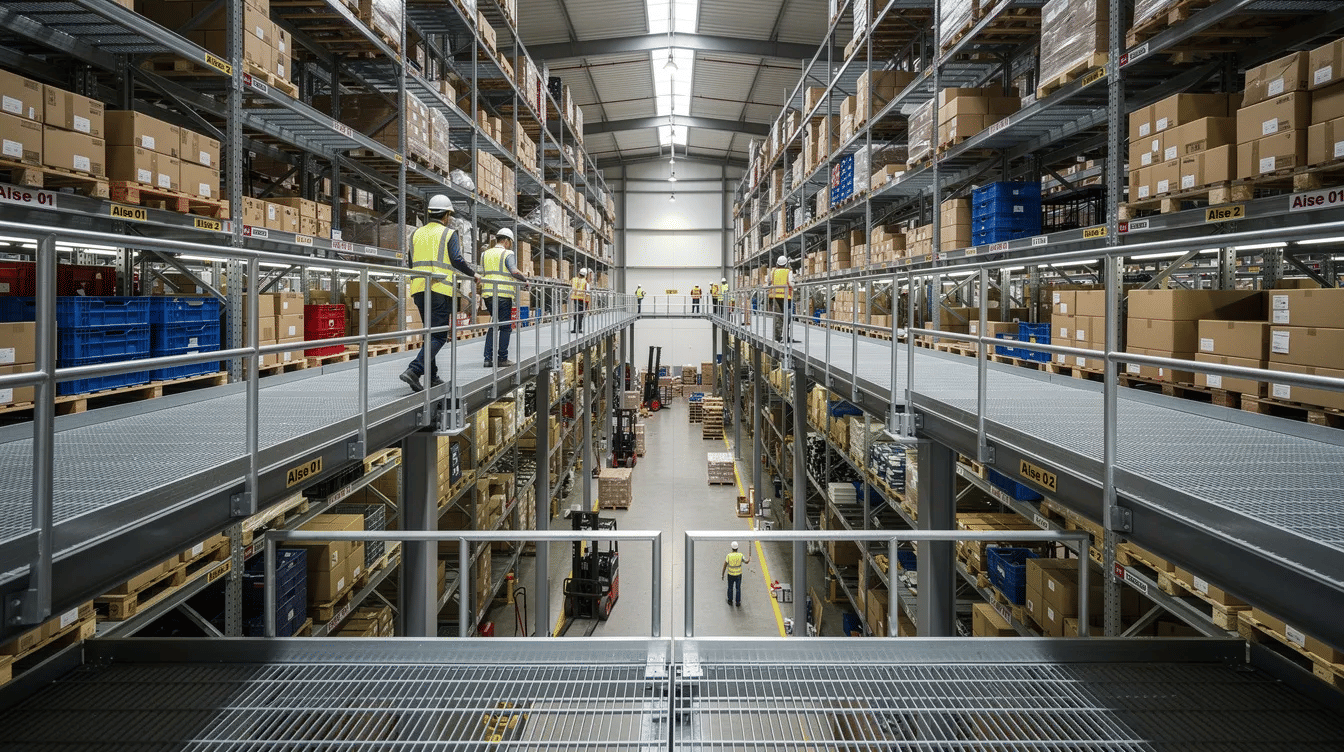
Selective pallet racks can serve as the structural framework for these elevated systems. A rack-supported mezzanine uses the rack uprights themselves to support a platform deck, creating an additional usable level for picking, packing, or light storage without requiring a standalone mezzanine structure.
Benefits of integrating mezzanines and pick modules with selective racking include:
- Creating additional pick faces at ergonomic heights for small-parcel fulfillment or case picking
- Separating reserve storage on upper beam levels from active picking levels below or on the mezzanine deck
- Shortening travel paths in e-commerce and 3PL operations by consolidating high-velocity SKUs at the pick level
- Improving overall storage capacity and productivity within the same warehouse footprint
Integrity's team designs these integrated systems around carton flow, pallet flow, conveyors, and safety features like handrails and fall protection, coordinating with fire protection, electrical, and other project trades where required.
Considering a mezzanine or pick module with selective pallet racking supports? Discuss your project with Integrity's team or call (201) 848-0054.
New and Used Selective Pallet Rack Options
Integrity can supply both new and used selective pallet racks, and the right choice depends on budget, lead time, load requirements, and code requirements.
New pallet racking systems are typically preferred for engineered, permitted projects - particularly tall warehouse layouts, integrated mezzanine and pick module systems, or cold storage environments where documentation and certified load capacities are essential. New rack also provides full manufacturer warranty and component traceability. In the DFW market, new selective rack installed cost per pallet position typically runs 100–200, depending on height, beam length, and accessories.
Quality used pallet racks can be appropriate for smaller expansions, temporary facilities, or secondary storage areas - provided components meet structural and safety standards. Used rack often delivers 40–60% cost savings versus new, with installed cost per pallet position in the 50–100 range in Texas markets. Lead times for used rack can be shorter (1–3 weeks if stocked locally) compared with new equipment (4–10 weeks).
The risks of used rack should not be overlooked: components may lack original documentation, could have hidden forklift damage, or may come from mixed manufacturers with different connection systems. Integrity inspects used pallet rack components for damage and compatibility and helps operators understand tradeoffs between cost savings and long-term flexibility.
Looking for cost-conscious selective pallet racking? Request a custom quote so Integrity can evaluate whether new, used, or a blended solution makes sense for your storage goals.
Professional Installation, Relocation, and Reconfiguration Services
Pallet racks are engineered, load-bearing structures. Professional installation is not optional if you want the system to perform safely under load and meet applicable codes.
Integrity's field services for Texas facilities include:
- Professional installation of new selective pallet racking systems, mezzanines, pick modules, and integrated storage configurations. Expert installation services are available throughout Texas, and certified installers ensure compliance with safety standards during setup.
- Disassembly and relocation of existing rack systems. A Dallas-based decommission-reinstall project demonstrated how selective rack can be carefully dismantled, sorted, and reinstalled in a new facility with a more efficient layout - with the teardown partially funding the new build.
- Safe reconfiguration of beam levels and aisles. Changing beam elevations and bay configurations can affect frame capacity and code compliance, so Integrity reviews manufacturer specs and RMI guidelines before adjusting systems.
Installation teams can work outside regular hours to minimize disruptions in active warehouses. Custom installations are available for unique warehouse requirements, whether that means working around existing column grids, phasing installation to keep portions of the facility operational, or coordinating with sprinkler and electrical contractors.
Integrity also offers rack safety assessments and damage evaluations, helping facility managers decide when to repair, replace, or reconfigure pallet racking. Regular documentation of inspections and maintenance is vital for rack safety, and pallet racking systems should be inspected every 6–12 months.
Safety Accessories and Material Handling Integration
Selective pallet racking performs best when combined with the right safety accessories and material handling equipment. The rack itself is only one part of a safe, efficient storage system.
Common safety and protection options Integrity can integrate:
- End-of-aisle guards - protect exposed rack frames at aisle intersections from forklift traffic
- Column protectors - absorb impact energy from forklift strikes, which are a leading cause of structural rack damage
- Wire decking - provides a stable shelf surface and improves sprinkler water penetration through rack levels
- Pallet supports and safety bars - prevent pallets from falling through beam pairs
- Rack netting and back-of-rack protection - contain product and prevent items from falling into adjacent aisles or flue spaces
Selective pallet racking utilizes integrated safety features to meet safety compliance standards. These accessories help protect rack systems, pallets, and personnel, and support safer forklift and pallet jack operations throughout the facility.
Integrity coordinates rack layout with material handling considerations including forklift types, pallet jack paths, dock equipment, and conveyor interfaces. Aisle widths, cross-aisle locations, and bay spacing all affect how efficiently forklifts can store and retrieve product.
Regular inspections should include visual checks and comprehensive audits - looking for bent uprights, damaged beams, missing safety clips, loose anchor bolts, and overloaded positions.
If your facility experiences recurring rack damage or near-misses, an Integrity rack safety assessment can help identify root causes and corrective actions. Schedule one via the online contact form or by calling (201) 848-0054.
Industries and Texas Markets Integrity Serves
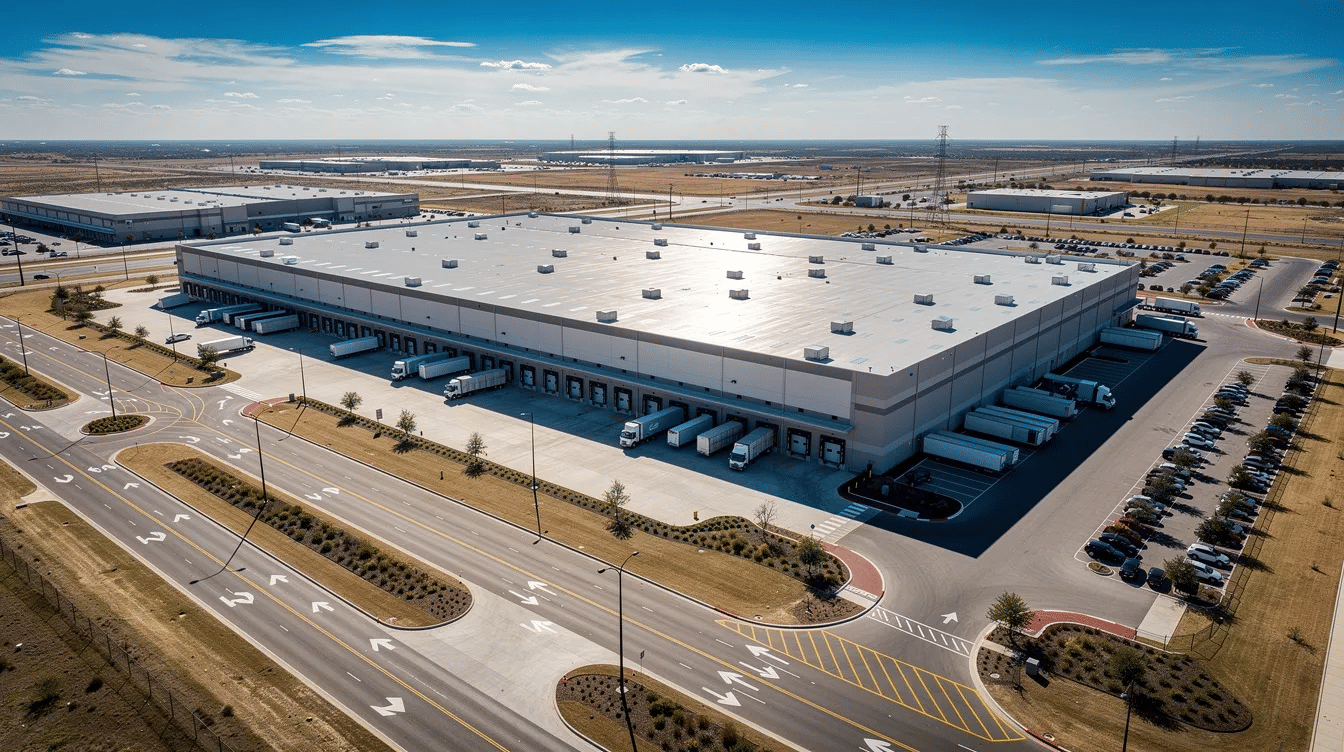
Texas is a major logistics hub with a large ecosystem of local racking suppliers, warehouse operators, and distribution networks. Integrity supports a wide range of commercial and industrial facilities that rely on pallet racks and pallet racking systems to keep operations running.
Representative industries include:
- E-commerce fulfillment centers
- 3PL warehouses and multi-client distribution facilities
- Retail distribution hubs
- Manufacturing plants with raw material and finished goods staging
- Food and beverage operations
- Cold storage and temperature-controlled facilities
- Pharmaceutical and healthcare logistics
- Records storage and archive facilities
Integrity serves customers in key Texas markets - Dallas–Fort Worth, Houston, Austin, San Antonio, and growing distribution corridors along I-10, I-20, I-30, and I-35 - without limiting service to those areas. Integrity also manages projects nationwide and can coordinate multi-facility rollouts and standardized selective pallet racking designs for companies operating warehouses across multiple U.S. regions.
Multi-site operators are encouraged to reach out for a consultative discussion about standardizing rack systems, safety practices, and mezzanine strategies across their network.
Planning a Selective Pallet Racking Project: Steps to Get Started
If you are a facility manager or operations leader who is not sure where to begin, here is a practical path forward.
Step 1: Clarify your objectives. What are your storage goals? More capacity? Higher throughput? SKU growth? A new facility buildout? Understanding the "why" shapes every design decision.
Step 2: Gather basic data. Document your pallet sizes and average weights, current and projected inventory type and SKU counts, forklift type and reach capabilities, and any known budget or timeline constraints.
Step 3: Document building conditions. Take basic measurements and photos of the warehouse, including clear height, column grid, dock area, slab condition, and any existing rack system. Share these with Integrity's design team.
Step 4: Collaborative design. Integrity develops a conceptual selective pallet racking layout based on your data, then refines it through iterative discussion. The layout accounts for warehouse size, load requirements, equipment, and operational workflow.
Step 5: Engineering and permitting. Where required, Integrity advances the layout to engineered drawings and permit-ready documentation, coordinating with local jurisdictions.
Step 6: Installation and handoff. Integrity's professional installation team installs the system, coordinates with other trades, and verifies that the completed rack system is ready for operation.

Ready to start the planning conversation? Contact Integrity online or call (201) 848-0054 to speak with the team about your Texas warehouse project.
Why Texas Facility Managers Partner with Integrity
Integrity Material Handling Systems Inc. brings a combination of engineering knowledge and practical warehouse operations experience to every selective pallet racking project. From startups outfitting their first warehouse to Fortune 500 companies standardizing storage systems across multiple facilities, Integrity delivers solutions scaled to the operation.
Key reasons customers choose Integrity:
- Turnkey project management - one provider handles layout, design, engineering, sourcing, installation, and ongoing support
- Deep experience in pallet racking and mezzanines - including selective rack systems, rack-supported pick modules, multi-level storage, and hybrid configurations
- Ability to blend new and used equipment appropriately, helping customers manage cost without compromising safety or durability
- Strong focus on safety and long-term adaptability - every system is designed with maintenance, inspection, and future reconfiguration in mind
- Leadership expertise - Integrity's team combines racking design knowledge with real-world operations experience in archive storage, distribution, and fulfillment
Integrity views each pallet racking system as one part of a broader material handling strategy that includes inventory flow, labor constraints, and future growth plans. The goal is to create a solution that works today and adapts as your business evolves.
Integrity is equipped to support projects from first concept through installation, reconfiguration, and ongoing storage-system needs - wherever your facility is located.
FAQs: Selective Pallet Racking Systems in Texas
Below are answers to common questions Integrity receives from Texas facility managers evaluating selective pallet racking projects.
Do I always need a permit for new selective pallet racking in Texas?
Permitting requirements vary by municipality and county in Texas. Some jurisdictions require permits for any new pallet racking system above a certain height, while others focus on whether the installation affects building egress or fire protection. Integrity helps customers understand local expectations, coordinate engineering where required, and assemble documentation for permit applications. Final decisions on permitting are always made by local building and fire officials.
Can I reuse my existing selective pallet racks if I move to a new Texas warehouse?
Many selective rack systems can be relocated, but components should be inspected for damage, compatibility, and suitability for the new facility's slab capacity, clear height, and layout conditions. Changing beam elevations or reconfiguring bay sizes can affect frame capacity, so the system must be re-evaluated for the new environment. Integrity provides rack inspections, field measurements, and relocation services to help determine whether to reuse, supplement, or replace existing racks when moving into a new facility.
How long does a typical selective pallet racking project take from design to installation?
Timelines vary based on project scope, permitting, material lead times, and whether the system includes mezzanines or pick modules. Integrity does not promise fixed durations in advance. After an initial consultation and data gathering, Integrity can usually provide a proposed schedule and phasing plan that accounts for ongoing operations, new equipment lead times, and any jurisdictional requirements.
What information should I have ready before contacting Integrity about pallet racking?
Helpful items to gather include approximate warehouse dimensions and clear height, column spacing, pallet sizes and average weights, current and projected SKU counts, forklift types, and any known code or insurance constraints. That said, you do not need perfect information to start. Integrity's team can help fill in gaps during an initial conversation or site visit.
Can Integrity integrate conveyors, carton flow, or pallet flow with selective pallet racking?
Yes. Integrity frequently designs selective pallet racking systems that incorporate carton flow, pallet flow, and various conveyor types as part of broader pick module or fulfillment solutions. These integrations are engineered around throughput targets, product mix, and facility constraints and can be discussed in detail during a project consultation. Call (201) 848-0054 or reach out online to get the conversation started.