When order volumes climb and floor space runs out, adding square footage isn't the only option. For warehouse operators across New Jersey and beyond, rack-supported pick modules offer a way to build upward inside an existing building, concentrating storage, picking, and material flow into a single multi-level structure. This guide covers how these systems work, what goes into designing and installing one, and how Integrity Material Handling Systems Inc. helps facilities turn vertical space into productive picking area.
Key Takeaways
- Rack-supported pick modules are multi-level pallet rack structures that integrate carton flow, shelving, pallet flow, conveyors, and walkways to increase order picking speed and maximize vertical space utilization in warehouses. These engineered systems designed for high-volume fulfillment can double or triple usable storage space without expanding the building footprint.
- Integrity Material Handling Systems Inc. designs, engineers, and installs turnkey pick module and rack-supported mezzanine systems for facilities in Middlesex County, Cranbury, Edison, Carteret, and other New Jersey logistics markets, as well as Texas and nationwide. Integrity's capabilities span the full project lifecycle, from initial layout and CAD design through permitting support, equipment sourcing, professional installation, and ongoing rack safety assessments.
- Core benefits for fulfillment operations include higher picks per labor hour, increased SKU density, better first in / first out (FIFO) inventory control, and the ability to grow capacity within the current building instead of relocating. Pick modules can reduce labor costs by up to 40% and cut travel time by up to 50%, depending on the operation and configuration.
- Every pick module must be engineered around the specific building, inventory profile, applicable codes, and operational workflow. There is no one-size-fits-all solution. Structural requirements, seismic calculations, fire protection, and permitting requirements vary by facility, jurisdiction, and intended use.
- Ready to explore what a multi-level pick module system could look like in your facility? Call Integrity at (201) 848-0054 or contact Integrity online for a free, custom pick module and pallet racking consultation.
What Is a Rack-Supported Pick Module?
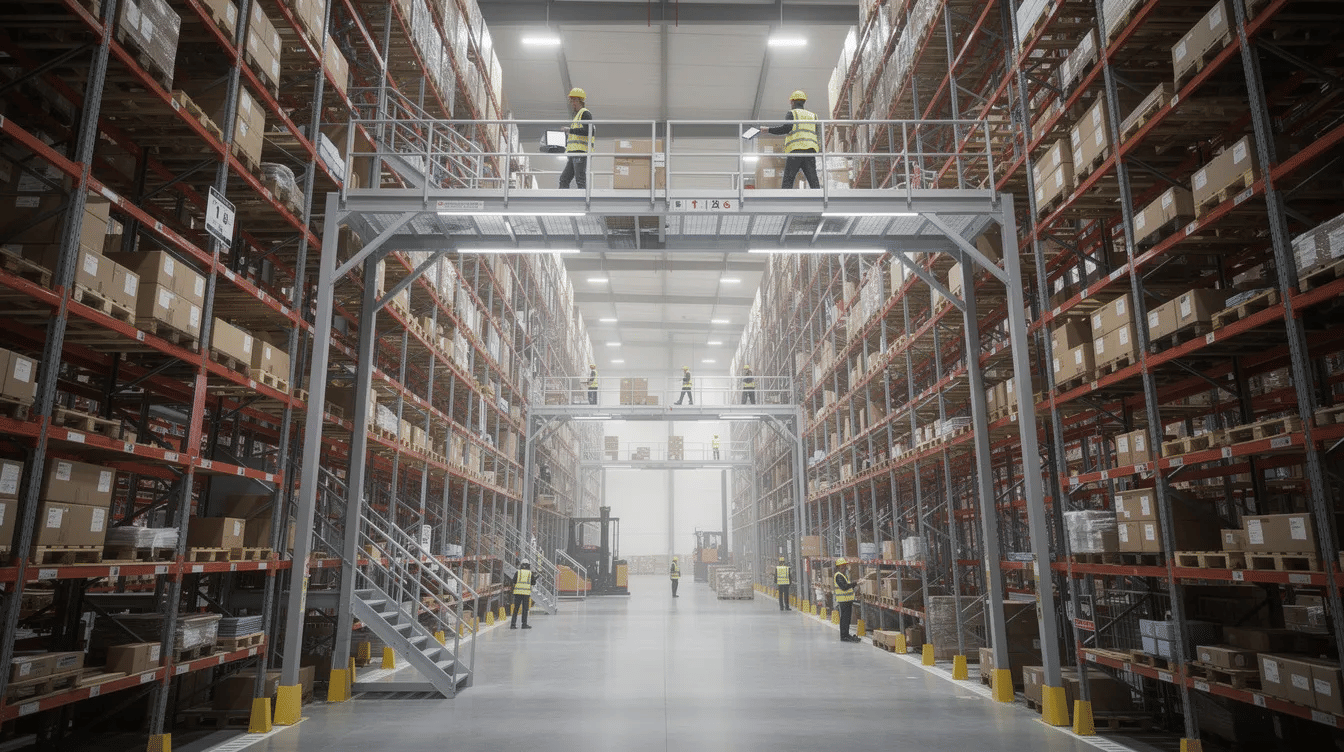
A rack-supported pick module is a multi-level storage structure where pallet racking supports the entire system, including elevated floors, walkways, stairs, and sometimes conveyor equipment. Rather than building a separate structural steel mezzanine and then placing racking on top of it, the pallet rack uprights themselves serve double duty as the load-bearing skeleton for additional levels. The result is an integrated, multi-level order picking system that combines bulk storage, pick faces, carton flow, and material handling equipment in a compact vertical footprint.
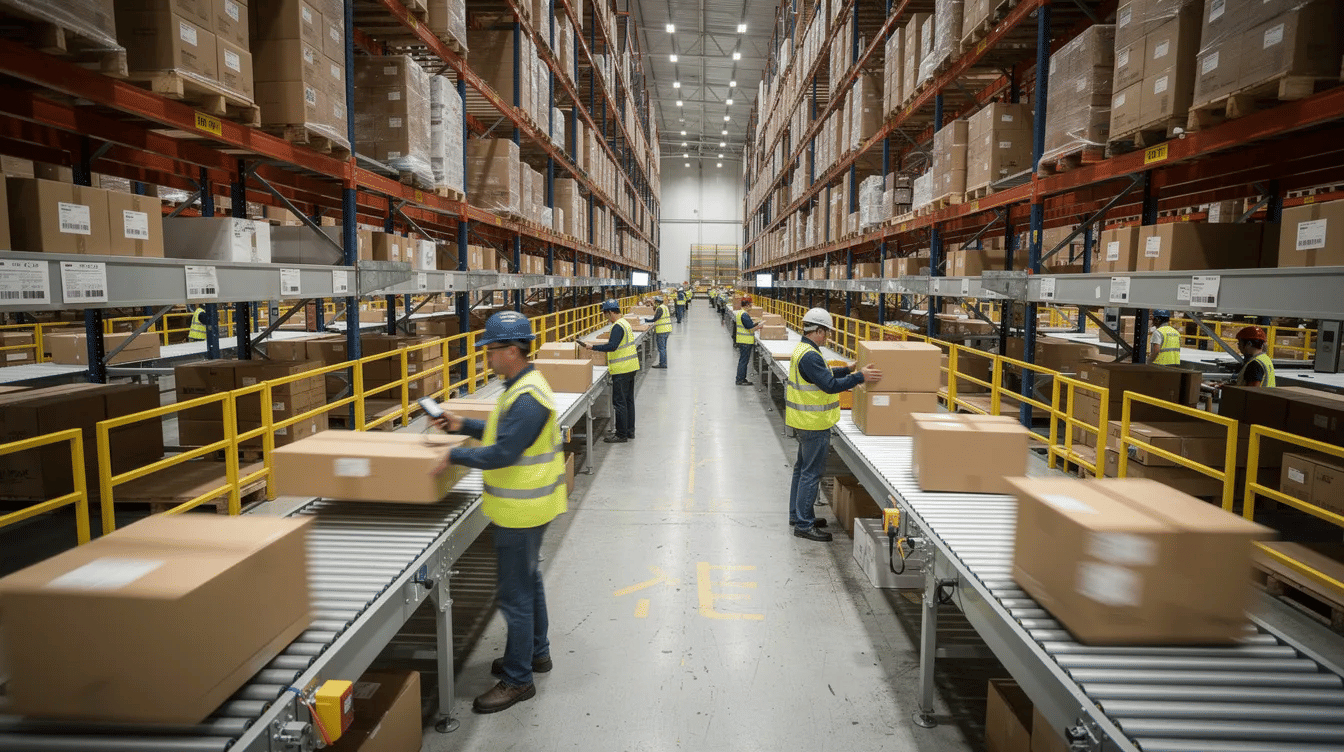
In a typical configuration, palletized products are stored in upper bays and replenished from the back or top, while carton flow lanes or shelving at lower levels present product to associates at ergonomic pick faces. Associates on elevated walkways pick orders by case or each, then place items onto conveyors, chutes, or carts that move product efficiently down to ground-level packing and shipping areas.
Multi-level pick modules utilize vertical space up to 40 feet high, though the practical number of levels depends on the building's clear height, roof structure, existing sprinkler systems, and applicable local codes. In many New Jersey distribution centers with 30- to 40-foot clear heights, 2- to 3-level pick modules are common, though 4-tier configurations are possible in taller buildings. These are permanent, load-bearing structures that require proper structural design, seismic calculations where applicable, permitting, and professional installation.
If you're considering a new pick module or reconfiguration of existing racking, call (201) 848-0054 or request a free quote online to discuss your project with Integrity's team.
How Rack-Supported Pick Modules Improve New Jersey Fulfillment Operations
Rising throughput demands across New Jersey's warehouse corridors, including Middlesex, Mercer, and Union counties and the Port Newark–Elizabeth Marine Terminal markets, are pushing operators toward vertically integrated pick systems. New Jersey's high real estate costs make vertical optimization of warehouse space essential, particularly for facilities handling e-commerce, retail replenishment, and B2B distribution operations with same-day or next-day commitments.
Here's what a well-designed pick module can do for a fulfillment operation:
- Reduce walking time and travel distance. Picking accounts for roughly 63% of distribution time, and approximately 60% of that is spent traveling between pick locations. Concentrating pick faces in a multi-level pick module instead of spreading them across a flat floor can cut travel time by up to 50%, contributing to lower labor costs and higher productivity.
- Integrate picking and replenishment flows. Combining carton flow lanes with reserve pallet storage in the same structure means associates can pick from gravity-fed fronts while replenishment happens from upper levels or rear aisles. This integration helps streamline order fulfillment for high-SKU operations.
- Enable advanced picking methods without expanding the footprint. Rack-supported pick modules allow operators to stage cluster picking, batch picking, or zone picking within a compact, multi-level structure. Rather than building out, facilities handle higher order counts by building up and optimizing how people and product move through pick areas.
- Minimize disruption during implementation. Integrity can analyze current pick rates, SKU velocity, and congestion points in an existing New Jersey operation and propose a phased pick module plan that keeps warehouse operations running during installation.
Core Components of a Rack-Supported Pick Module
Most warehouse pick modules draw from a standardized kit of components, but the arrangement and engineering are specific to each facility. Here are the building blocks:
- Pallet rack frames and beams. The structural skeleton of the system. Upright frames and load beams support walkways, stairs, decking, and stored product. All framing should be designed in accordance with ANSI MH16.1 standards with appropriate load ratings verified by a registered professional engineer.
- Carton flow systems. Gravity-fed carton flow lanes and span-track present each- and case-pick positions at ergonomic heights, supporting first in / first out (FIFO) rotation and fast visual replenishment from rear aisles or upper pallet positions.
- Pallet flow and push-back rack. These flow rack configurations store reserve pallets in deep lanes above or adjacent to carton flow levels, supporting first in / first out or last in / first out inventory strategies as required. Pallet flow rack is particularly useful for date-sensitive or high-turnover palletized loads.Multi-level work platforms. Elevated walkways integrated with stairs, landings, safety railings, kick plates, and safety gates allow associates to access additional pick levels. Stair placement, egress paths, and fall protection elements must satisfy applicable building and fire code requirements.
- Conveyors, chutes, and sortation systems. Optional powered conveyors, gravity chutes, or sortation equipment move picked items from elevated pick levels to ground-level shipping zones. Workflow automation integrates pick-to-light technology and takeaway conveyors within these systems for operations processing millions of units annually. Conveyor integration allows smooth transport of picked items to shipping zones.
- Separation of replenishment and picking. In a well-configured module, replenishment aisles are physically separated from pick aisles. Separating replenishment and picking activities improves operational efficiency and safety by reducing congestion in active pick paths.
Designing a Pick Module Around Your Inventory and Order Profiles
Effective pick module design starts with data. Before a single beam is placed, your team should understand SKU velocity distributions, product cube and weight characteristics, order lines per order, and peak-season throughput targets. This data drives every decision about how many levels to build, which storage media to use, and where to place pick faces.
- Slot by velocity. Slow-, medium-, and fast-moving SKUs should be assigned to different storage media and locations within the module. Fast movers belong in carton flow at ergonomic pick heights; medium movers may sit in static shelving or secondary flow lanes; slow movers go into selective rack or high-density storage solutions further from primary pick paths. This approach helps increase SKU density and minimize travel.
- Balance full pallet, case, and each picking in one footprint. A multi-level system can zone pallet pick in upper levels while dedicating lower carton flow and shelving to case and piece picking. Pick modules enhance fulfillment productivity for case and each picking by putting the right product in the right place. Pick modules can accommodate hundreds to thousands of SKUs across these zones.
- Leverage multiple picking methods. Cluster picking, batch picking, and zone picking strategies work naturally inside a multi-level pick module. For example, an Edison e-commerce center with 20,000 SKUs and small, high-frequency orders might deploy zone picking on two elevated levels with batch consolidation at a ground-level sortation wall, while a B2B distributor in Cranbury might use discrete order picking from pallet flow and carton flow lanes.
- Consider high-density solutions. Technologies like SpeedCell storage can compress space by up to 60%, fitting more SKUs into a tighter footprint within a pick module and freeing valuable floor area for staging and shipping.
- Review data before specifying a configuration. Integrity's team reviews WMS reports, slotting strategies, and seasonal peaks before recommending a specific configuration or number of levels.
Share your inventory and order data with Integrity for a no-obligation design review via the online contact form or by calling (201) 848-0054.
Engineering, Codes, and Safety in Multi-Level Pick Modules
Multi-level pick modules must be treated as engineered structures subject to building, fire, and sometimes seismic codes. This is particularly true in New Jersey municipalities operating under the Uniform Construction Code (UCC) and in major Texas markets with their own jurisdictional requirements.
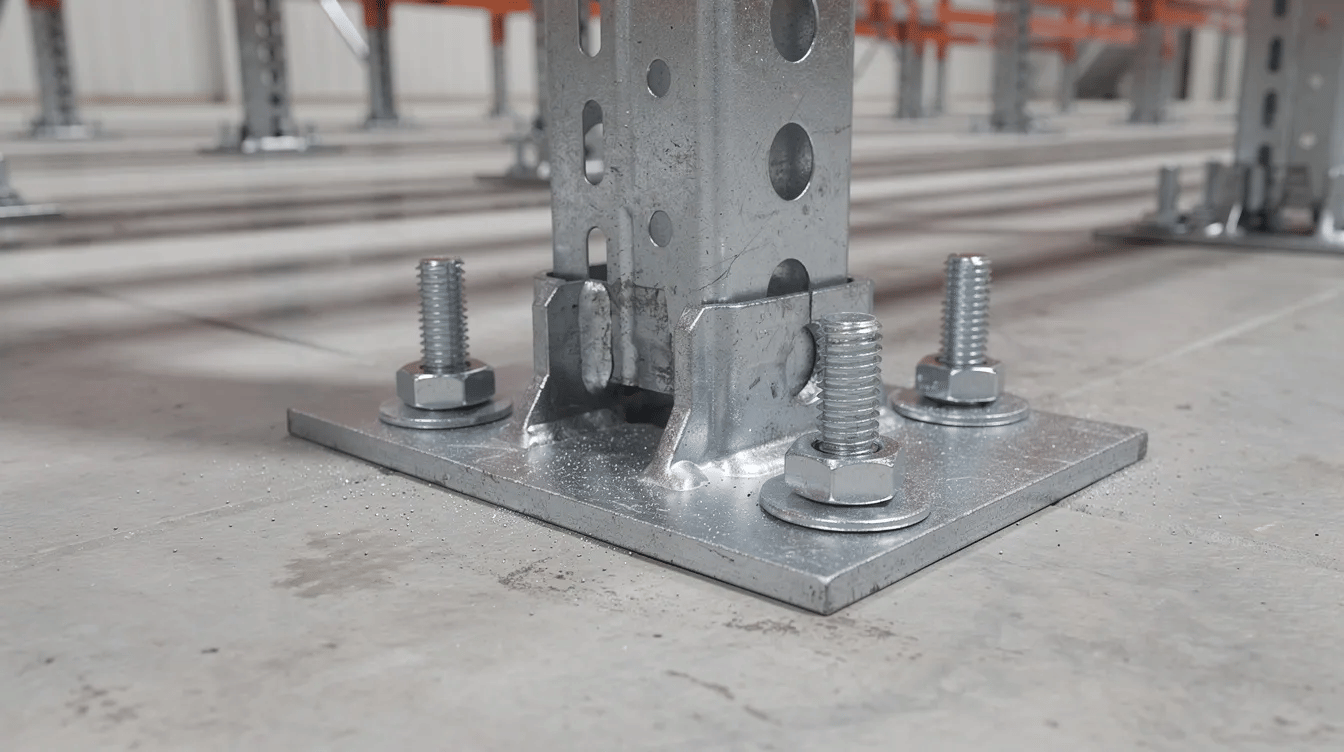
- Structural engineering. Frame capacities, bracing, connection details, base plate anchoring, and slab conditions must all be verified. Rack-supported systems must comply with local building codes, including seismic requirements in New Jersey. ANSI MH16.1-2023 requires design for dead loads, live loads (minimum 60 psf for walkways), product loads, and equipment loads. Requirements vary by jurisdiction, building
- Fire protection. Sprinkler coverage, in-rack sprinklers where required, flue space maintenance, and smoke detection must be coordinated with local fire officials. Adding elevated levels can affect sprinkler head positioning and require modifications to existing fire suppression systems.
- Egress and life safety. Stairs, aisles, guardrails, kick plates, safety gates, and signage must be designed to satisfy applicable codes and support safe travel for associates. Under New Jersey's adoption of the IBC, clear heights above and below mezzanine floor construction must not be less than 7 feet, and aggregate mezzanine area cannot exceed one-third of the room's floor area.
- Turnkey permitting support. Integrity coordinates seismic calculations, stamped CAD drawings, and permit application packages as part of a turnkey project. Final approvals depend on local authorities and project specifics, but Integrity's engineering coordination helps keep the process on track.
- Ongoing safety. Integrity provides rack safety assessments and warehouse safety training to help facility managers maintain safe operations after the system is installed, including periodic inspections of structural components, column guards, and load postings.
How Rack-Supported Pick Modules Help Manage Labor Costs
Warehouse wages continue to rise in logistics hubs like Cranbury, South Brunswick, and Carteret, where competition for labor is intense. System design is one of the most effective ways to manage labor costs without cutting service quality.
- Compress pick paths. By compressing pick paths and implementing cluster picking in a pick module, operations can increase lines picked per hour without adding headcount. Industry data suggests pick modules can reduce labor costs by as much as 40% and can reduce staffing requirements by one-third, depending on the operation and baseline conditions.
- Reduce unnecessary motion. Carton flow and gravity-fed systems present product at the pick face, reducing bending, searching, and unnecessary motion. This supports ergonomic improvements and may reduce fatigue-related errors, contributing to better order accuracy over the course of a shift.
- Zone and assign by skill level. Better slotting within a multi-level pick module allows managers to assign tasks by zone and skill level, improving training speed and cross-coverage. New associates can start in simpler pick zones while experienced staff handle higher-velocity or more complex areas.
- Real-world impact. While specific results depend on the operation, consider a New Jersey 3PL that reconfigures flat-floor shelving into a 3-level pick module: associates who previously walked long aisles now pick from concentrated carton flow faces within arm's reach, and picked items ride conveyors to pack-out stations. The result is a meaningful reduction in walking time and a measurable increase in lines per hour-without a proportional increase in headcount.
Pick modules can increase throughput by up to 150%, depending on the starting configuration and how effectively the module is designed around actual order profiles.
Common Applications and Industries for Rack-Supported Pick Modules
Pick modules are a fit for high-SKU and high-order-volume operations where order picking is a primary bottleneck. Some of the most common applications include:
- E-commerce fulfillment centers processing large numbers of small orders quickly
- Retail store replenishment and omnichannel distribution operations
- Pharmaceutical and healthcare product distribution
- Consumer packaged goods (CPG) distribution
- Apparel warehousing and fulfillmentRecords and archive storage that includes case or carton picking
Pick modules can process over 100,000 orders per day in high-volume configurations, making them a core infrastructure element for operations that need speed, accuracy, and density. These systems are commonly used in e-commerce fulfillment centers to handle large numbers of small orders quickly, but they serve B2B distribution operations just as effectively.
New Jersey facilities along I-95 and the New Jersey Turnpike, including those in Piscataway, Woodbridge, and Perth Amboy, often use pick modules to handle next-day and same-day shipping commitments into the New York metro area. The proximity to major population centers and port infrastructure makes throughput and space utilization critical competitive advantages.
Integrity also designs rack-supported pick modules for manufacturers and assemblers who need line-side kitting and component picking in Texas markets such as Dallas–Fort Worth and Houston. These systems serve both B2B and B2C fulfillment operations within the same building, adapting to seasonal shifts and growth projections through modular design.
Designing Multi-Level Work Platforms and Catwalk Systems
There's an important distinction between freestanding mezzanines and rack-supported mezzanines or catwalk pick modules. Freestanding mezzanines use independent structural columns and beams, making them better suited for heavy point loads or operations requiring frequent layout changes. Rack-supported platforms use existing pallet rack frames as structural support, which typically costs less per square foot and integrates more naturally with storage systems but requires careful engineering since the rack is now structural.
- Maximize vertical space. Multi-level work platforms mounted directly on pallet racking combine bulk storage and active pick faces in a single vertical column. These systems maximize vertical space for storage while creating usable work levels. Decking choices-bar grating, roof deck with resin board, steel planking-are guided by fire code, load requirements, and whether carts or other equipment will roll across the surface.
- Catwalk access. Catwalk systems provide maintenance aisles or secondary pick aisles on top of rack, accessed by stairs with guardrails and fall protection elements. These give quick access to reserve stock or secondary pick positions without the cost of a full-width elevated platform.
- 3D visualization. Integrity's design team uses CAD layouts and 3D views to show how stairs, gates, and walkways will function alongside forklifts, pallet jacks, and conveyors on the floor below. This coordination prevents conflicts during installation and helps facility managers understand how the finished system will operate.
- Early coordination matters. Decisions about clear heights, column grids, material flows, vertical lifts, and pallet drop zones all affect platform elevations and must be coordinated early in the project. Waiting until steel is ordered to resolve these questions creates expensive change orders.
Integrating Carton Flow, Pallet Flow, and Order Picking Strategies
The right combination of carton flow, pallet flow, and static shelving is central to creating an efficient system for order picking. Each storage medium serves a specific role within the module.
- Carton flow for high-velocity SKUs. Small cartons and high-turnover items belong in carton flow lanes, where first in / first out dynamics are easily accommodated through integrated gravity-fed systems. Rear-aisle or upper-level replenishment keeps pick faces full without interrupting active picking.
- Pallet flow for deep-lane reserve. Pallet flow supports case or each picking at the front of deep lanes, with reserve pallets feeding forward by gravity. This is especially valuable for date-sensitive or first in / first out product where rotation is non-negotiable.
- Static shelving for slower movers. Slower-moving SKUs may sit in static shelving or rack bays. High-density storage solutions within the module help increase SKU density without over-extending walking distances.
- Flexible picking methods. Different picking methods-cluster picking, wave picking, discrete order picking, piece picking-can be combined with these storage media to match service-level targets and system complexity. An operation might use zone picking during peak periods and discrete picking during off-peak, all within the same physical module. The flexibility to integrate multiple picking methods in one area is a significant advantage of multi-level pick module design.
New Jersey & Texas Project Examples and Typical Use Cases
To illustrate how these systems come together, here are representative project scenarios drawn from typical configurations Integrity encounters:
- Middlesex County e-commerce fulfillment. A fulfillment operation in a 32-foot clear building reconfigures selective pallet rack into a 3-level rack-supported pick module with carton flow on the first and second levels and powered conveyors carrying picked items to ground-level sortation systems. The multi-level system handles peak holiday volumes that previously required temporary labor and off-site overflow storage, saving time and money while improving order accuracy.
- Cranbury/Robbinsville 3PL expansion. A third-party logistics provider adds a second-level work platform for case picking above existing floor-level pallet racking. Pallet drop zones and safety gates allow forklift operators to replenish the upper level without disrupting pickers below. The existing rack stays in place for bulk storage, and the added level effectively doubles usable pick area without a facility move.
- Dallas-area manufacturer kitting operation. A manufacturer uses a smaller 2-level pick module as a kitting and component storage area feeding multiple assembly lines. Custom pallet rack catwalk access allows technicians to retrieve less-frequently-used components from an upper level, while high-velocity parts sit in carton flow at ground level for quick access.
Integrity can support both greenfield facilities and live, occupied buildings, using phased installation to keep order picking active during the project where feasible. Whether the goal is future expansion capability or immediate throughput relief, phased approaches reduce risk and operational disruption.
Integrity's Turnkey Process for Rack-Supported Pick Modules
Integrity delivers rack-supported pick module projects through an end-to-end process: assessment, design, engineering, permitting support, material procurement, professional installation, and ongoing support. Here's how the process typically unfolds:
- Discovery and layout. Onsite or virtual walkthrough, measurement of existing rack and clear heights, review of SKU and order data, and initial CAD concept layouts. This phase establishes whether a multi-level system is viable and identifies the configuration best suited to the facility's inventory, workflow, and building constraints.
- Engineering and permitting. Structural calculations, seismic review where required, coordination with sprinkler and electrical contractors, and preparation of stamped drawings for municipal review. Integrity manages this coordination so customers aren't chasing multiple vendors.
- Sourcing. New or used pallet racking, carton flow, mezzanine components, decking, and conveyors are sourced based on project requirements. Integrity has experience buying and selling quality used equipment, which can help manage costs when used components are appropriate and compatible with the engineered design.
- Turnkey installation and project management. Integrity supervises installation crews, sequences work to minimize downtime, coordinates with other trades (sprinkler, electrical, general contractors), and confirms the installed system matches engineered drawings before turnover.
Ready to start this process? Call (201) 848-0054 or submit your project details through Integrity's online project form.
Reconfiguring, Expanding, or Relocating Existing Pick Modules
Many New Jersey and Texas facilities already have pallet racking or older pick systems that may need reconfiguration rather than full replacement. In these cases, the goal is to modernize or expand without starting from scratch.
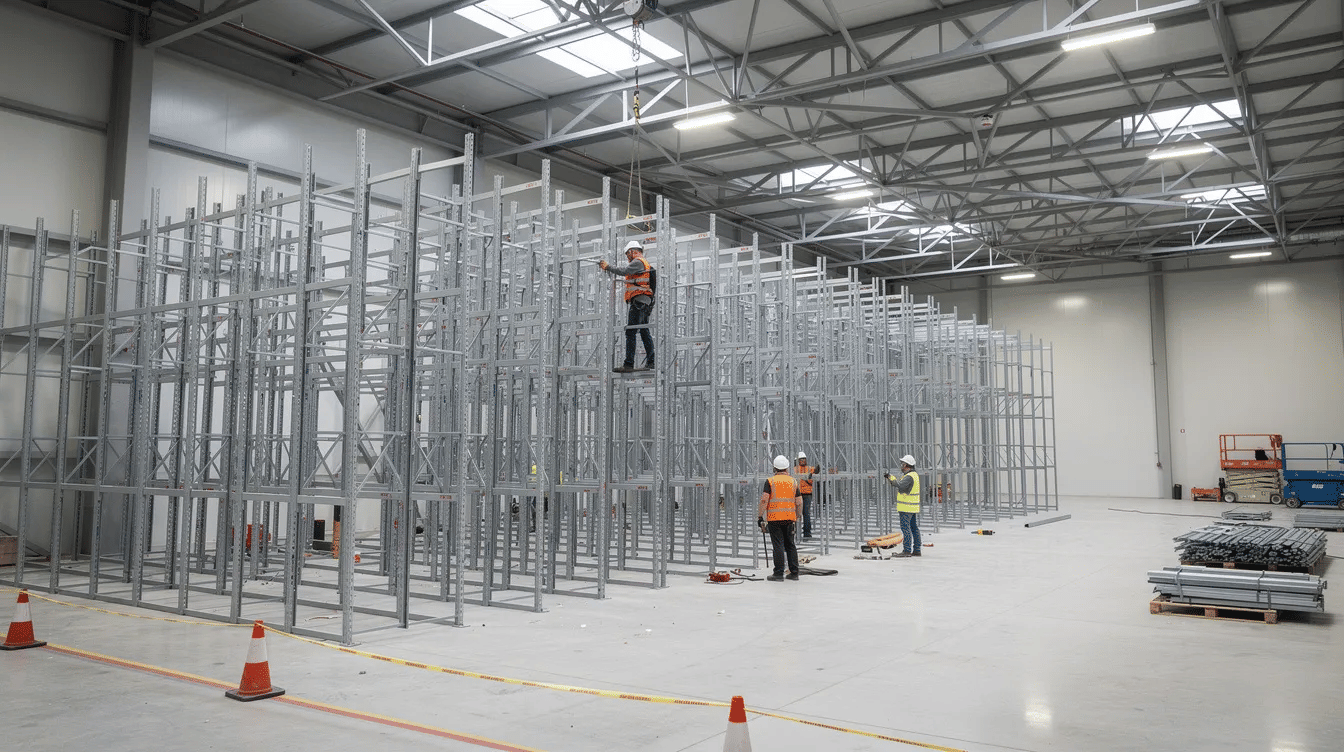
- Avoid DIY modifications. Changing beam elevations, adding levels, or removing bracing on engineered rack structures can affect load capacity and stability. These are not erector-set projects. Any modification should be reviewed by a qualified engineer before work begins.
- Professional disassembly and reconfiguration. Integrity provides disassembly, relocation, and rack system reconfiguration services, including pre-move inspections for damage, compatibility checks between existing and new components, and engineering review of the new configuration.
- Expansion evaluation. Adding a third level to a two-level module, for example, must be evaluated against existing frame capacities, slab conditions, anchor integrity, and updated code requirements. What worked for two levels may not support three without modifications.
- Start with an assessment. Facility managers who are unsure about their existing system's condition or capability should request a rack safety assessment or layout review before moving or modifying any equipment. This service can identify damage, non-compliant components, or capacity limitations before they become safety issues.
Budgeting and ROI Considerations for Pick Module Projects
Rack-supported pick modules are significant capital projects. Costs are influenced by the number of levels, total square footage, storage media complexity, conveyor and automation scope, fire protection modifications, engineering, and installation labor. Rather than quoting generic price ranges, it's more useful to understand the drivers.
| Cost Driver | Impact on Budget |
|---|---|
| Number of elevated levels | More levels = more steel, decking, stairs, guardrails |
| Conveyor/sortation integration | Powered equipment adds mechanical, electrical, and controls costs |
| Fire protection modifications | In-rack sprinklers, rerouting heads, smoke detection |
| Engineering and permitting | Seismic calculations, stamped drawings, municipal review fees |
| Decking type | Bar grating vs. resin board vs. steel plank affects cost and code compliance |
| Equipment condition | New vs. quality used components |
ROI for pick module projects is typically evaluated through increased throughput (orders per day), improved space utilization, deferred or avoided building expansion, and the potential to redeploy labor from low-value walking tasks to higher-value activities. Phased projects can spread capital outlay across budget cycles while building in structural provisions for future expansion as volumes grow.
Integrity can explore options such as mixing new and quality used material handling equipment or reusing compatible existing rack where practical. Share your budget guidelines and operational goals, and Integrity's team will work within them.
How to Get Started with a Rack-Supported Pick Module Project
Early planning with an experienced warehouse or distribution center storage systems provider helps avoid costly redesigns and delays. Here's how to prepare:
- Gather key information. Before a consultation, compile your facility address and clear height measurements, approximate pallet and SKU counts, current and target order volumes, and any known code, landlord, or lease requirements that may affect the project.
- Get an initial concept. Integrity can provide an initial concept layout and budgetary estimate based on drawings and data, followed by a site visit to validate assumptions about building conditions, slab capacity, and existing infrastructure.
- Plan ahead of peak. Schedule discussions well ahead of peak seasons to allow sufficient time for design, engineering, permitting, and installation. Rushing a multi-level structure to meet a holiday deadline increases risk and limits options.
Call (201) 848-0054 to speak with Integrity's warehouse systems team, or start your project online to request a custom quote and get a free consultation.
Frequently Asked Questions: Rack-Supported Pick Modules in New Jersey
This FAQ addresses additional practical questions facility managers often raise when planning multi-level pick modules for their warehouse or distribution center.
How long does it typically take to design and install a rack-supported pick module?
Timelines vary based on complexity, permitting review periods, equipment lead times, and whether conveyors or automation are integrated. Many projects run several months from design kickoff through installation, with longer schedules for more complex, multi-level structures. New Jersey municipalities and Texas jurisdictions may have different review times for permits and inspections, so early engagement with Integrity helps align the project schedule with operational deadlines and seasonal targets.
Can my existing pallet racking be used to support a new pick module?
In some cases, existing racking can be incorporated into a new pick module, but only after engineering review of frame types, load capacities, condition, and compatibility with the proposed multi-level design. Damaged or non-compliant components should be replaced. Integrity can evaluate what can be reused, what must be upgraded, and where quality used components may offer appropriate and cost-effective solutions.
Do rack-supported pick modules always require building permits?
Most multi-level structures and significant rack installations do require review and permits, but specific requirements and documentation vary by municipality and project scope. Integrity assists with seismic calculations, drawings, and permit application support, while final authority and approval rest with local code officials. Starting the permitting conversation early in the design process reduces the risk of delays.
Can a pick module work in a building with lower clear heights?
While very tall, multi-level systems may not be practical in buildings with limited clear height, it is often possible to create 2-level platforms, catwalks, or partial mezzanine structures that still improve order picking and space utilization. Facilities with 18- to 24-foot clear heights should discuss options with Integrity rather than assuming multi-level solutions are off the table. Even a single elevated level can meaningfully expand usable pick and storage area.
Do I need automation or conveyors for a pick module to make sense?
Not necessarily. Some pick modules are fully manual, using gravity chutes and simple carts, while others incorporate powered conveyors, put walls, or robotics. The right solution depends on order volumes, labor availability, and budget. Integrity can design pick modules that support manual operation today with provisions for future conveyor or automation upgrades as throughput grows, protecting your investment and supporting future expansion.