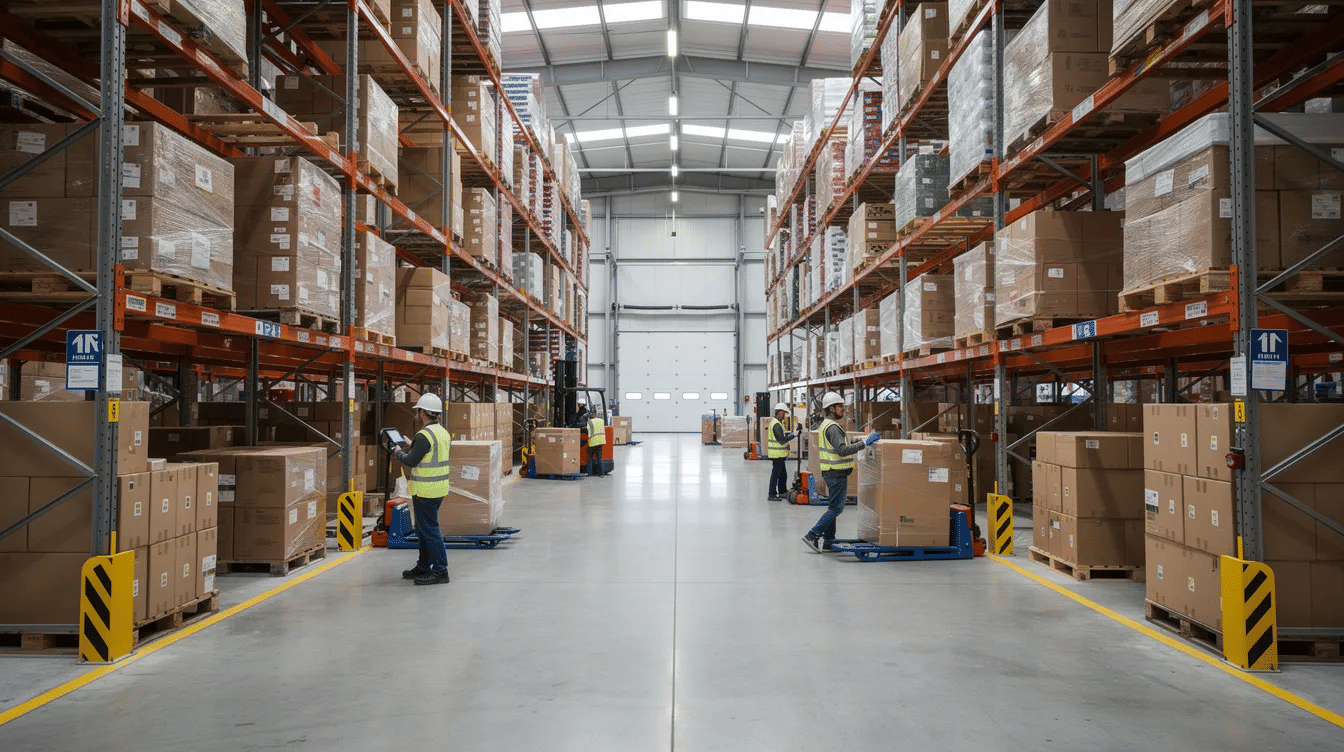
Multi Level Warehouse Storage Systems Texas: Rack-Supported Solutions for Distribution & Fulfillment
Texas warehouse operators are under growing pressure to move more inventory through the same four walls. With industrial lease rates climbing and new construction timelines stretching out, multi-level warehouse storage systems offer a practical path forward: add usable levels above your existing floor space without breaking ground on a new building. This article breaks down how rack-supported mezzanines, pick modules, and pallet racking systems work together to help Texas distribution centers, fulfillment operations, and manufacturers get more from the space they already have.
Key Takeaways
Multi-level warehouse storage systems-including rack-supported mezzanines, multi-level pick modules, and pallet rack catwalk systems-help Texas warehouses and e commerce operations maximize space and improve operational efficiency without expanding their building footprint. When properly engineered, these systems optimize vertical space in warehouses and can double or triple storage capacity depending on clear height, inventory type, and layout. Vertical warehousing systems significantly enhance operational efficiency by separating bulk storage from active picking zones and reducing ground-level congestion.
Integrity Material Handling Systems Inc. ("Integrity") designs, engineers, supplies, and installs turnkey multi-level warehouse storage systems across Texas markets such as Dallas–Fort Worth, Houston, San Antonio, Austin, and major I‑35 and I‑10 logistics corridors, while serving customers nationwide. With operations in New Jersey and Texas, Integrity brings national project experience to every engagement.
Integrity's core strengths include pallet racking systems, rack-supported mezzanines, pallet flow racking, drive in racking, shelving and carton flow, safety and permitting support, and full project management from initial warehouse layout through professional installation. The company also supports disassembly, relocation, rack reconfiguration, seismic calculations, and custom steel fabrication.
The right pallet racking system depends on your SKU profile, throughput requirements, material handling equipment, ceiling height, and building conditions. Whether the solution calls for selective racking, pallet flow, drive in systems, cantilever rack, push back configurations, or a combination, Integrity's technical team evaluates these factors around each facility's storage needs and develops a system designed around your specific requirements.
Ready to discuss a Texas multi-level warehouse storage or pallet racking project? Call Integrity at (201) 848-0054 or contact Integrity online to get started.
Why Multi-Level Rack-Supported Systems Matter for Texas Warehouses Right Now
Between 2024 and 2026, Texas has seen rapid logistics and e commerce growth concentrated along the Dallas–Fort Worth, Houston, Austin, and San Antonio corridors. The state holds roughly 1.8 billion square feet of leasable industrial warehouse space, and that figure grew by approximately 44 million square feet in a single 12-month period ending summer 2025. Yet industrial rents in major Texas markets now average between $8.90 and $14.30 per square foot, putting real cost pressure on operators who need more space. Texas logistics facilities often require tailored storage solutions to adapt to their unique operational needs, and that reality is accelerating interest in vertical storage strategies.
Multi-level warehouse storage systems-rack-supported mezzanines and pick modules built on top of engineered pallet racking-create additional usable floor levels within tall warehouse buildings. Instead of signing a second lease or breaking ground on new construction, operators add a second or third level above ground-level pallet racking and use those elevated decks for order picking, packing, kitting, or additional storage. High-density storage increases pallet positions without expanding buildings, and multi-level systems reduce the need for additional real estate.
Texas fulfillment centers, 3PLs, and manufacturers are increasingly using these solutions to stage fast-moving SKUs on upper levels while reserving the ground floor for bulk pallet storage, inbound staging, and shipping. The result is a more organized facility that can handle more inventory and higher throughput within the same four walls.
If you're running out of room in a Texas warehouse, a multi-level system may be the most cost effective way to grow without moving. Call (201) 848-0054 or message Integrity online for an initial consultation.
Integrity's Turnkey Approach to Multi-Level Warehouse Storage in Texas
Integrity is a single-source provider for pallet racking, rack-supported mezzanines, multi-level pick modules, pallet rack catwalks, shelving, and carton flow systems. With operations in New Jersey and Texas and projects nationwide, Integrity serves companies across various sectors-from distribution centers and fulfillment operations to manufacturers and records storage facilities.
Integrity's end-to-end process covers needs assessment, warehouse layout and CAD design, engineering and seismic/permitting coordination where required, material sourcing for both new and used pallet racks, professional installation services, and long-term support. This turnkey scope means fewer handoffs between vendors and a single point of accountability from concept through completion.
The company has deep experience supporting complex multi-level archive installations, high-density distribution environments, and industrial facilities that require careful attention to load capacity, safety, and code compliance. In Texas, Integrity commonly supports facilities in Dallas–Fort Worth, Houston, San Antonio, Austin, and key regional hubs along I‑20, I‑35, and I‑45, while remaining available for projects anywhere in the country.
Need a turnkey multi-level storage or pallet racking system for your Texas facility? Call (201) 848-0054 or request a custom quote online.
Core Building Blocks: Pallet Racking Systems that Support Multi-Level Solutions
Most multi-level warehouse storage systems in Texas are built on engineered pallet racking systems, making rack selection a critical safety and performance decision. The structural uprights that hold your pallets can also serve as the columns supporting an upper-level deck, walkway, or full mezzanine-but only when the system is designed and rated for that purpose.
Here is a quick overview of the pallet racking options Integrity works with:
Selective pallet rack is the most common type of rack, providing direct access to every pallet position. It works well as the structural base for pick modules where individual SKU accessibility matters.
Pallet flow racking uses gravity for first in, first out inventory rotation, making it ideal for high-velocity pallets in food, beverage, and perishable goods operations.
Drive in racking allows forklifts to enter rack lanes for storage, delivering maximum storage density for operations with fewer SKUs and high volume operations.
Push back racking stores pallets two to four deep for high density while still allowing access from the aisle face-a practical middle ground between selective racking and drive in systems.
Cantilever racks are designed for bulky or long products like lumber, pipe, and furniture, storing bulky items without interference from front uprights.
Customizable pallet racking solutions fit unique warehouse layouts, and these systems can be designed either as single-level storage or as the structural support for upper-level walkways, pick decks, or full rack-supported mezzanines. Engineering considerations such as load capacity, beam spacing, upright configuration, bracing, and height-to-depth ratios must be reviewed before using pallet racks as part of a multi-level structure.
Consider a Houston e commerce fulfillment center that processes thousands of small-parcel orders daily. By combining pallet flow on the ground level for fast-moving SKUs with a two-level pick module above, the operation can separate replenishment from picking, cut travel distances, and keep forklifts away from pedestrian pick zones.
Types of Multi-Level Rack-Supported Systems Integrity Designs & Installs
"Multi-level warehouse storage systems" is an umbrella term that covers several distinct configurations. The right solution depends on your inventory profile, throughput targets, and how your team works within the facility. Here are the primary system types Integrity designs and installs:
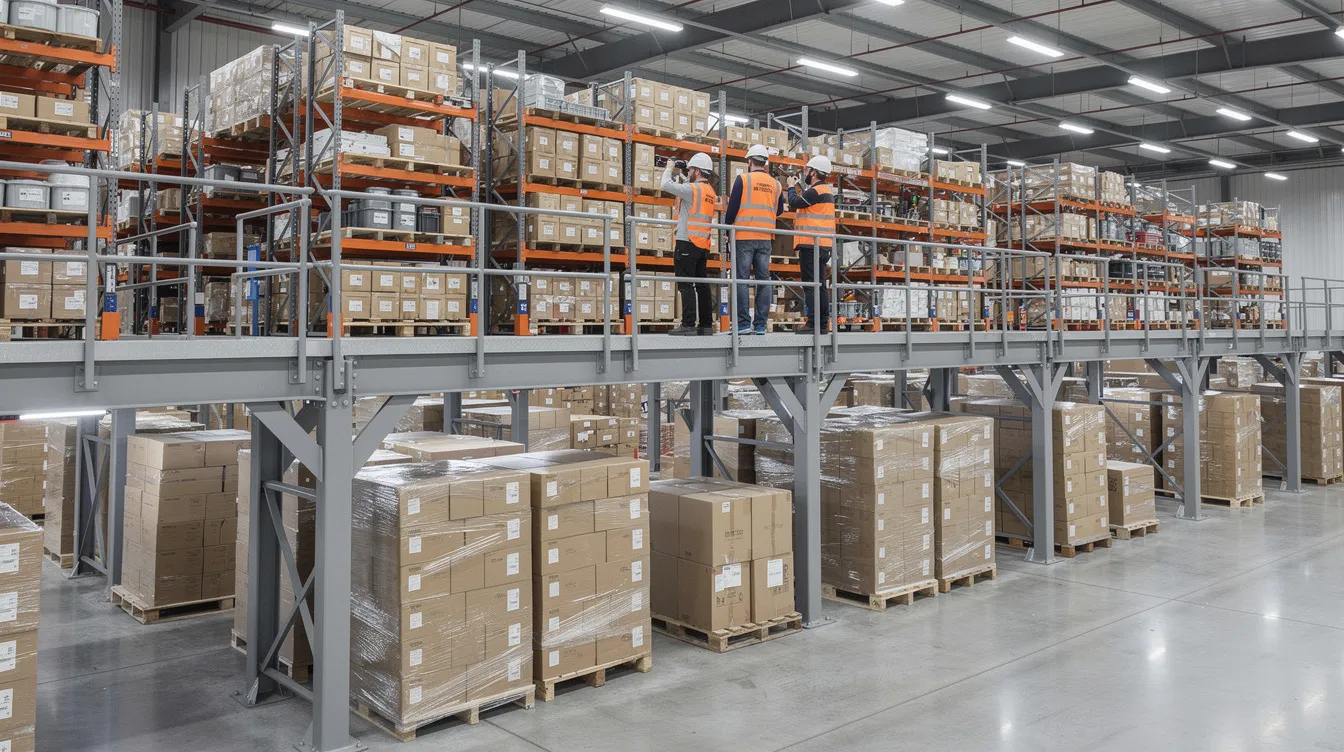
Rack-Supported Mezzanines are platforms built on pallet rack uprights, creating open deck areas above ground-level storage. Structural mezzanines serve for office space and high-density storage, and they can be configured with decking rated for personnel, light equipment, shelving, or palletized loads. They are common in manufacturing and distribution environments where additional floor space is needed for kitting, packing, or overflow storage.
Multi-Level Pick Modules integrate carton flow shelving, pick faces, and walkable levels into a single structure, often two or three stories tall. Multi-level systems improve pick efficiency by grouping high-velocity SKUs on designated levels, and they are frequently used in e commerce order fulfillment near Dallas–Fort Worth and other high-volume Texas markets. Multi-tier systems utilize 10m to 12m clear heights in distribution centers, taking full advantage of modern warehouse construction.
Pallet Rack Catwalk Systems are elevated walkways and stairs installed within and between pallet rack rows. They give workers safe access to upper pallet positions for replenishment or case picking without requiring forklifts for every touch.
Multi-Tier Shelving Systems are lighter-duty configurations designed for small parts, carton storage, or archive environments. They work well for parts distribution in Houston or San Antonio, where thousands of small SKUs need organized, accessible locations.
Modular designs allow for future expansion of multi-level systems, so facilities can start with a single elevated level and add more as demand grows. Each system type interacts with pallet racks, pallet flow, carton flow, and conveyors differently, and Integrity helps determine which combination streamlines picking and replenishment for your operation.
Designing Multi-Level Systems Around Operational Requirements
A successful implementation of any multi-level warehouse storage system in Texas starts with understanding your operation-not just your building dimensions. Integrity's design and engineering team evaluates a range of factors before recommending a configuration:
- Pallet sizes, weights, and inventory type
- Carton dimensions and SKU counts
- Throughput targets and daily order volumes
- Picking strategies (batch, zone, wave) and shift schedules
- Material handling equipment (forklifts, pallet jacks, conveyors)
- Required service levels for e commerce, wholesale, or retail replenishment
Engineers analyze environmental factors before installing racking systems, including slab conditions, roof clear height, column spacing, and existing utilities. Integrity uses CAD layout and design tools to position pallet racks, pallet flow lanes, carton flow shelving, stair towers, lift openings, and conveyor runs to maximize space and support operational efficiency across the facility.
Safety and egress requirements-including local fire code, flue space between racks, and sprinkler clearance-are integrated into the design from the start. These requirements may vary by Texas jurisdiction and building conditions, which is why Integrity coordinates these details as part of its turnkey project scope rather than leaving them for the operator to figure out independently.
Want to talk through your layout with Integrity's design team? Call (201) 848-0054 or submit your project details through the online form.
Maximizing Vertical Space: How Multi-Level Systems Help You Do More Without Moving
The most common scenario Integrity encounters in Texas is a facility that has "run out of space" but would strongly prefer not to relocate or lease a second building. Moving is expensive, disruptive, and time-consuming. A multi-level approach is often the more practical answer.
Rack-supported mezzanines and pick modules allow facilities with clear heights of 24 to 36 feet-common in modern Texas industrial buildings-to add one or more levels of storage or picking above ground-level pallet racks. Integrity often integrates pallet racking, pallet flow, and carton flow on lower levels with open or partially racked upper levels for picking, packing, and value-added services.
High-density systems facilitate optimized order fulfillment processes by reducing unnecessary travel and concentrating activity in purpose-built zones. High-density systems can reduce aisle space by up to 50 percent compared to wide-aisle selective configurations, freeing up significant floor space for other uses. Vertical loading systems can improve overall logistics efficiency by enabling gravity-fed replenishment from upper levels to lower pick faces.
While multi-level systems can significantly increase storage capacity and picking throughput, the actual improvement depends on layout, inventory, code constraints, and equipment. Integrity performs project-specific evaluations rather than promising a blanket percentage gain, because every facility and operation is different.
Common Rack Types, Including Pallet Flow Racking, Used in Texas Multi-Level Projects
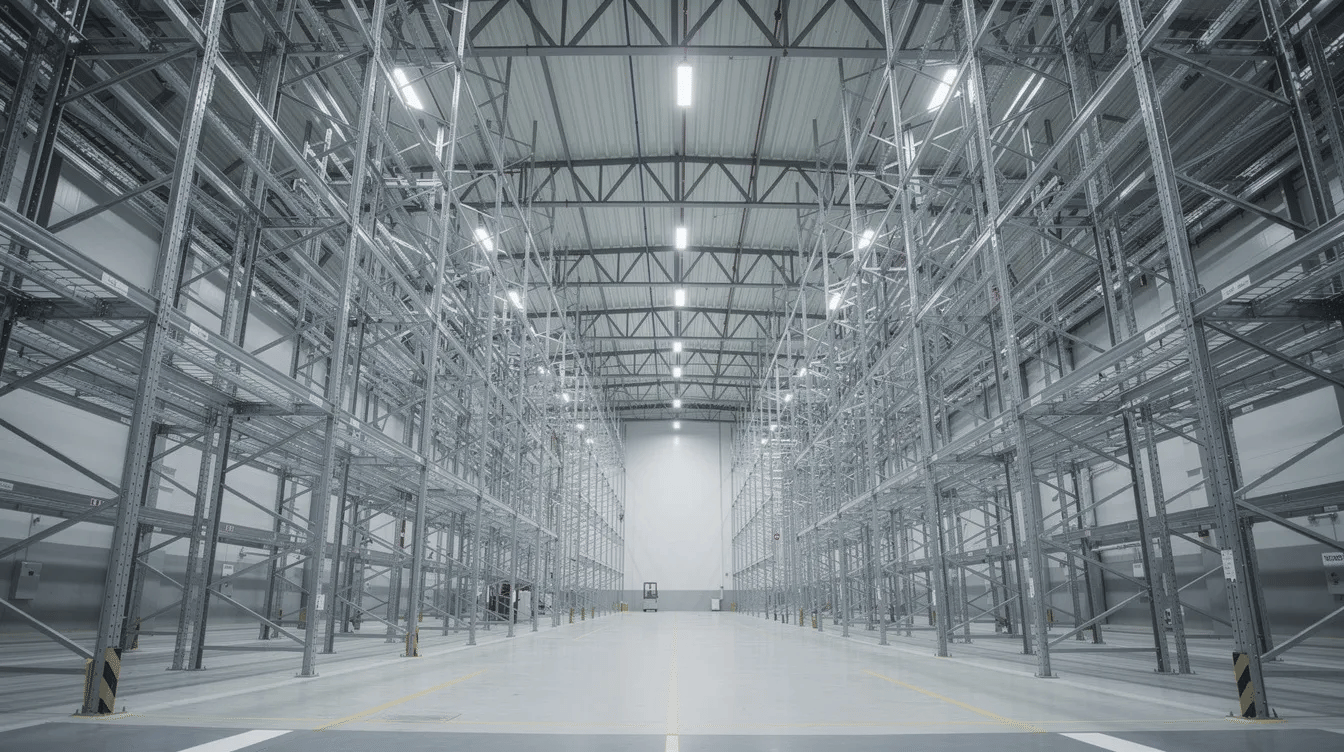
Different zones within the same Texas facility often call for different racking systems. Here is how specific rack types are typically applied in multi-level projects:
| Rack Type | Best For | Key Characteristic |
|---|---|---|
| Selective pallet rack | High-SKU, direct access storage | Selective pallet racking provides direct access to every pallet, making it the default choice for active pick faces |
| Pallet flow racking | First in, first out rotation | Pallet flow racks use gravity for efficient inventory rotation, ideal for food, cold storage, and date-sensitive goods |
| Drive in racking | High-density, low-SKU bulk storage | Drive in racks allow forklifts to enter for maximum storage density; drive in racks maximize storage space for similar items |
| Push back racking | Moderate density with aisle access | Push back racks allow pallets to be stored two to four deep; push back racking increases storage density while maintaining access from the load face |
| Cantilever rack | Long or oversized products | Cantilever racks store bulky items without interference from uprights-used for lumber, pipe, and building materials |
| Industrial racks and shelving | Small parts and carton storage | Lighter-duty racking components for hand-pick zones and multi-tier configurations |
High-density systems reduce aisle space, increasing storage capacity across the facility. These racking systems can be mixed within the same building to support different storage zones-bulk storage, reserve storage, active pick faces, returns processing, and cold storage areas.
Integrity helps determine the right mix of pallet racks and flow systems based on product dimensions, handling equipment, and traffic patterns rather than a one-size-fits-all approach. Choosing the right pallet racking system for your warehouse infrastructure is one of the most consequential decisions an operator makes, and it directly affects every downstream decision about multi-level configurations.
Safety, Code, and Engineering Considerations for Multi-Level Rack-Supported Systems
Multi-level systems are engineered, load-bearing structures. Changes to beam elevations, decking types, or added levels can affect load capacity and code compliance. Systems must adhere to local building codes including seismic standards, and Texas jurisdictions vary in how they apply the International Building Code to rack-supported mezzanines and elevated storage platforms.
Key safety and engineering topics Integrity helps Texas clients address:
- Upright and beam capacities: Height-to-depth ratios, bay spacing, and bracing must support both stored loads and any superstructure above.
- Concrete slab capacity: Rack-supported mezzanines impose concentrated loads through uprights and columns. The existing foundation must be evaluated and anchoring must meet structural requirements.
- Local building, fire, and egress codes: Sprinkler coverage, flue space between racks, means of egress from elevated levels, and area limitations under IBC Section 505 all factor into the design.
- Guardrails, kickplates, stair design, and fall protection: Safety features include handrails and non-slip surfaces for upper levels. Guardrails must meet minimum height requirements, and stair towers must comply with local code for width, landings, and handrails.
Pallet racking systems should be inspected every six months to a year to catch damage before it compromises structural integrity. Racking systems require ongoing maintenance to ensure optimal performance, and Integrity offers rack safety assessment services to help operators stay ahead of problems.
While several providers operate in the Texas market-Equipment Depot offers free racking safety evaluations in Texas, and companies like Malin provide complete installation services for warehouse racking systems-Integrity differentiates itself as a single-source, turnkey provider that handles design, engineering, permitting, installation, and ongoing support under one roof.
Specific requirements and approvals vary by facility, municipality, and intended use. Integrity coordinates with qualified engineers, permitting officials, and fire protection contractors as part of its turnkey project scope, so warehouse managers do not need to navigate these complexities alone.
From Concept to Successful Implementation: Integrity's Project Workflow
Here is the typical step-by-step workflow for a Texas multi-level warehouse storage project with Integrity:
- Initial discovery call and site evaluation - Integrity reviews your storage goals, building conditions, and operational priorities (virtual or on-site).
- Data gathering - SKU counts, order volumes, material handling equipment, growth plans, and any known permitting or landlord constraints.
- Conceptual layouts and budgetary pricing - Integrity develops initial options for pallet racking and multi-level configurations, giving you a clear picture of project scope and investment range.
- Detailed CAD design, engineering review, and permit application support - Layouts are refined, load calculations are completed, and permits are submitted where required.
- Material sourcing - Integrity procures new racking components and, when suitable, quality used pallet racks to help balance budget and performance.
- Professional installation and project management - Integrity's installation team handles assembly, anchoring, and coordination with other contractors (sprinkler, electrical, conveyor, etc.).
- Final inspections, turnover, and ongoing support - The system is verified for safety and compliance, and Integrity remains available for future reconfiguration or expansion.
For Texas operators reconfiguring or relocating existing pallet rack systems, Integrity can disassemble, transport, re-engineer, and reinstall racking while integrating new multi-level racking components where feasible. The benefit of a single turnkey provider is fewer handoffs, aligned timelines, and a cohesive design-which matters to any facility manager who has dealt with the headaches of juggling multiple vendors on a complex project.
Ready to start your project planning? Call (201) 848-0054 or submit your project details through the secure form at integritymh.com.
Case-Style Examples: How Texas Facilities Use Multi-Level Systems
DFW E-Commerce Fulfillment Center - Two-Level Pick Module
A fast-growing e commerce fulfillment operation near Dallas–Fort Worth was processing increasing order volumes but had exhausted its available floor space. The original layout used single-level selective racking with wide aisles, and pickers were traveling long distances between zones. Integrity designed a two-level pick module with carton flow on the upper level for high-velocity SKUs and pallet flow racking on the ground level for replenishment. The result was more organized picking zones, significantly reduced travel time, and better use of the facility's 32-foot clear height-all achieved without expanding the building footprint or adding warehouse space.
Houston-Area Manufacturer - Rack-Supported Mezzanine for Kitting and Assembly
A manufacturing facility south of Houston needed dedicated space for kitting and light assembly but could not justify the cost of building an addition. Integrity installed a rack-supported mezzanine above selective pallet racking, creating an elevated work platform with shelving for components and staging areas for assembled kits. The ground level continued to serve as bulk storage for raw materials, and drive in racking was added in an adjacent zone to maximize storage space for similar high-volume items that did not require individual access. The project gave the business more space for value-added work without disrupting existing warehouse operations.
San Antonio Distribution Center - Multi-Tier Shelving for Parts Distribution
A regional parts distributor in San Antonio needed to accommodate a rapidly growing SKU count across thousands of small components. Integrity implemented multi-tier shelving with carton flow lanes, creating three walkable levels within a single bay area. The system used the building's full ceiling height and dramatically increased the number of active pick locations. Operators gained a more efficient solution for regional parts distribution while keeping the facility organized and accessible.
Reconfiguring, Expanding, or Relocating Existing Pallet Racking in Texas
Texas warehouse operators frequently face situations where they need to:
- Add a second level or pick module to an existing pallet racking system
- Reconfigure beam elevations or aisle widths to support new equipment or inventorMove pallet racks from one building to another during a facility change
It is important to understand that moving or modifying pallet racking is not simply a "bolt-and-unbolt" task. It is an engineered change that can affect load capacity, safety, and compliance. Changing beam elevations alters upright capacity because load ratings depend on the maximum unsupported vertical span. Height-to-depth ratios, anchoring, slab conditions, and seismic requirements all need to be re-evaluated for the new configuration or location.
Integrity offers rack inspections, damage assessments, redesign support, and complete disassembly, relocation, and reinstallation services. This ensures that pallet racks and multi-level components are properly anchored and configured at the new site. Texas operators often combine these projects with inventory re-slotting, updated pallet flow, or added carton flow to improve picking efficiency at the same time.
If you are planning a move or major reconfiguration, involve a qualified provider early. Contact Integrity at (201) 848-0054 or via the online contact form to discuss your project.
Integrating Multi-Level Systems with E-Commerce, WMS, and Automation
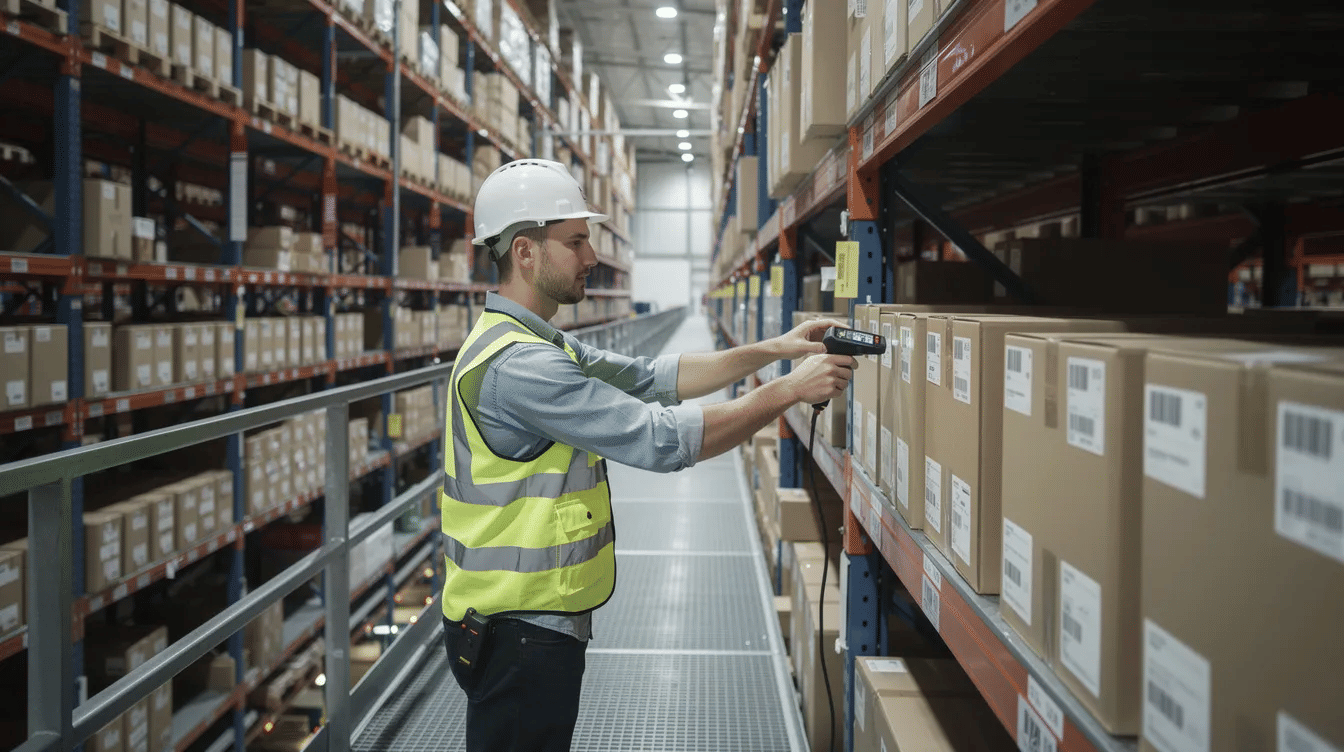
Multi-level pick modules and rack-supported systems are often paired with warehouse management systems, barcode scanning, and in some cases conveyors or light automation to support high volume e commerce and omnichannel fulfillment. While Integrity is not a software company, it designs pallet racking, pallet flow, carton flow, and mezzanine systems that align with zone picking, batch picking, and automated sortation strategies defined by the customer's WMS.
Pick zones on different levels can be configured to balance labor and travel time, with clearly defined inbound replenishment paths from the ground level and outbound consolidation areas near packing stations or conveyor takeaway lines. The physical design of pallet racks, shelving, and walkways has a significant impact on scan paths, label placement, and ergonomic picking heights-all factors Integrity considers during layout planning.
Common Texas use cases include DTC apparel fulfillment near Austin, electronics distribution near Dallas–Fort Worth, and food distribution operations along the I‑35 corridor, where multi-level designs support fast, accurate order processing and help cut costs associated with labor, errors, and wasted motion.
Why Texas Warehouses Choose Integrity for Multi-Level Storage Projects
Texas operators partner with Integrity instead of assembling storage solutions from multiple vendors for several key advantages:
- Turnkey scope from design through installation and beyond, with a single point of accountability
- Deep expertise in pallet racking, rack-supported mezzanines, and multi-level pick modules
- Integrated capabilities including shelving, carton flow, guardrails, stairs, fall protection, and custom steel fabrication
- Experience coordinating with architects, general contractors, and trades on complex warehouse build-outs across distribution centers and industrial facilities
Integrity's track record spans large-scale distribution centers and single-facility operations, including archive storage projects that require meticulous attention to high-density, multi-level rack design. The company can provide both new and, where appropriate, used pallet racking and racking components, helping customers achieve their storage goals without compromising quality or safety.
While this article focuses on Texas, Integrity brings national experience and resources to each project. For multi-facility operators with locations in multiple states, that consistency in design standards, equipment, and installation quality can be especially valuable.
Ready to discuss your multi-level storage project? Call (201) 848-0054 or submit a quote request online to schedule a conversation with Integrity's team.
How to Get Started on a Multi-Level Warehouse Storage Project
Before your first conversation with Integrity, it helps to gather some basic information:
- Building clear height and approximate square foot area
- Current pallet racking layout (even a rough sketch helps)
- SKU counts and typical order volumes
- Material handling equipment in use (forklifts, reach trucks, pallet jacks)
- Any known permitting or landlord constraints
- Growth plans or operational changes on the horizon
Even if all these details are not yet defined, Integrity can help Texas operators work through scenarios and trade-offs, offering conceptual layouts and budget ranges as early planning tools. Involve internal stakeholders-operations, safety, maintenance, and IT or WMS teams-early in the process so the multi-level design supports all functional requirements from day one.
Integrity can start with a single facility pilot project in Texas and later replicate or adapt the design for additional buildings or markets as the business grows. Whether you are optimizing a 20,000 square foot operation or planning a multi-level system for a 500,000 square foot distribution center, the process starts the same way: a conversation about what you need.
Call (201) 848-0054 or use the online contact form to share your project goals and schedule an initial assessment.
Frequently Asked Questions About Multi-Level Warehouse Storage Systems in Texas
The following FAQ addresses common questions Texas warehouse and distribution leaders ask when they first consider multi-level rack-supported systems.
Can I add a second level onto the pallet racking I already have in my Texas warehouse?
In some cases, existing pallet racks can be integrated into a multi-level design-but it depends on the rack manufacturer, upright capacity, current condition, bracing, and slab load-bearing capability. Not all racking systems are rated to support an elevated deck with personnel and additional storage above. Integrity can review your existing drawings, inspect your racks for damage or wear, and advise whether reuse, reinforcement, or new racking is the safer and more practical choice for a successful implementation.
How long does it typically take to design and install a multi-level rack-supported system?
Timelines vary based on project scope, permitting requirements, material lead times, and coordination with other trades. For many Texas projects, conceptual design can begin within weeks, and full implementation-including engineering, permitting, fabrication, and installation-may take several months depending on complexity. Integrity can provide a project-specific timeline after an initial discovery call and site evaluation.
Do multi-level warehouse storage systems always require building permits in Texas?
Many Texas jurisdictions treat rack-supported mezzanines and multi-level systems as structural changes that require permits, engineering calculations, and inspections. However, requirements differ by municipality, building type, and intended use. For example, some cities have specific amendments governing storage racks and their interaction with fire and egress codes. Integrity assists with permit application support and coordinates with licensed professionals to help ensure compliance with applicable regulations.
What if my operation changes after the system is installed-can multi-level systems be reconfigured?
Many rack-supported installations can be reconfigured or expanded, but changes must be planned and engineered to maintain load capacities and safety. Altering beam heights, adding or removing levels, or changing decking types all affect the structural performance of the system. Integrity has extensive experience safely reconfiguring pallet racking and multi-level systems as operations evolve, including rack inspections, re-engineering, and reinstallation.
Do you only work in Texas, or can Integrity support our facilities in other states as well?
While this article focuses on Texas markets, Integrity supports projects nationwide. The company has operations in New Jersey and Texas and regularly coordinates multi-facility rollouts, standardizing pallet racking and multi-level designs across different regions. Whether your business operates a single warehouse or manages logistics across multiple states, Integrity can bring consistent design standards, equipment quality, and installation services to each location.